If you are thinking about buying in Greenwich Village, you are probably drawn to something bigger than square footage. You may want tree-lined blocks, classic architecture, and a neighborhood feel that is hard to copy anywhere else in Manhattan. The trade-off is that charm often comes with higher prices, older buildings, and more moving parts behind the scenes. This guide will help you understand what your budget may buy, which building types you are likely to see, and what due diligence matters most before you make an offer. Let’s dive in.
Why Greenwich Village Feels Different
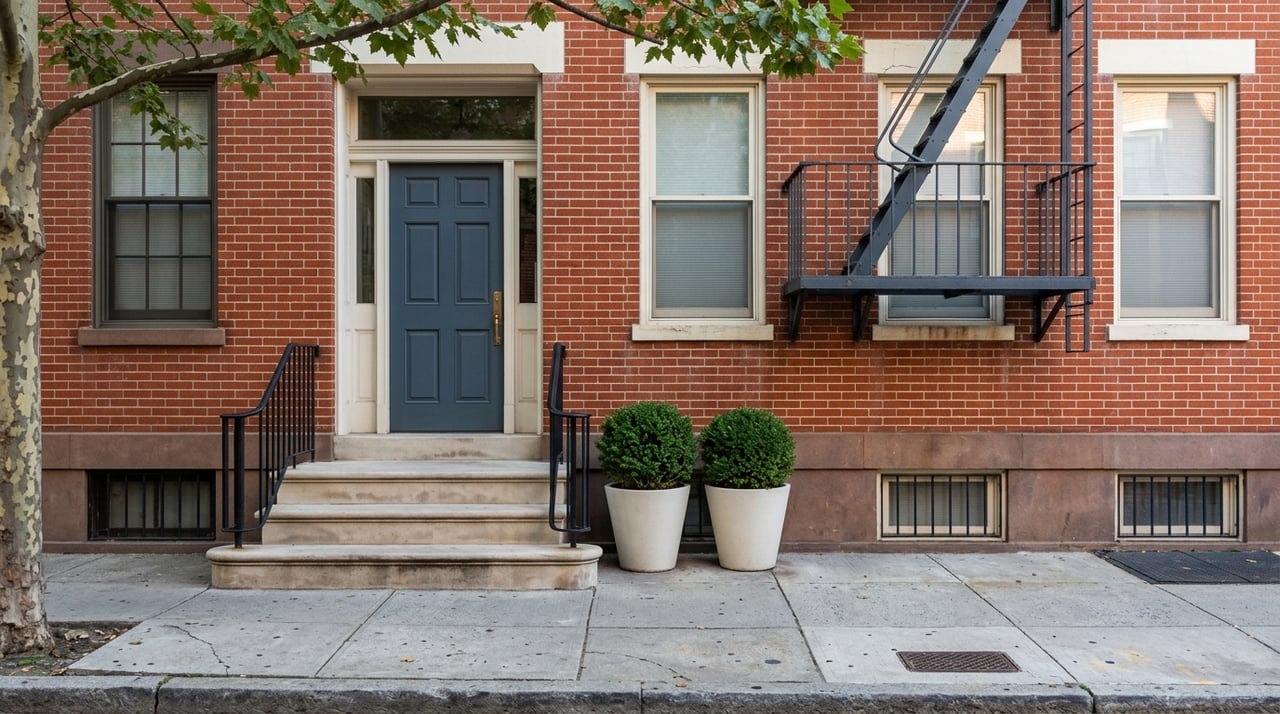
Greenwich Village is one of the most supply-constrained neighborhoods in New York City. The Greenwich Village Historic District was designated in 1969 and includes more than 2,000 buildings across 65 blocks, making it the city’s largest historic district.
That matters because the neighborhood’s look is not accidental. Many exterior changes and new construction decisions are reviewed through the Landmarks Preservation Commission, which helps preserve the Village’s low-rise, historic character. For you as a buyer, that can mean more visual consistency on the block, but it can also affect renovation timing and costs.
StreetEasy describes the neighborhood as an older housing stock with many walk-ups, smaller bathrooms and kitchens, and very little high-rise inventory. Washington Square Park is often seen as the neighborhood center, while MacDougal Street and Bleecker Street are well-known local corridors. In practical terms, you are often buying into a very specific kind of Manhattan living experience, not just an apartment.
What Your Budget May Buy
Greenwich Village is one of Manhattan’s pricier markets. StreetEasy lists a median sale price of about $1.4 million, with active examples ranging from studios around $504,000 and $795,000, to one-bedrooms from roughly $975,000 to $2.05 million, and a three-bedroom around $3.98 million.
The key point is that prices can climb quickly as you move from a studio into a one-bedroom and then into larger homes. Even within the same bedroom count, price can vary widely based on building type, condition, layout, and whether the home is in a co-op, condo, or townhouse setting.
Here is the mindset that helps most buyers: focus on space, ownership structure, and carrying costs together. In Greenwich Village, the cheapest option is not always the lowest-cost ownership experience over time.
Co-ops: Common, Character-Filled, and Rule-Driven
Co-ops are a major part of the Village housing mix. In a co-op, you are not buying real property in the same way you do in a condo. Instead, you buy shares in a corporation, and those shares are tied to your apartment through a proprietary lease.
Your monthly payment in a co-op includes maintenance charges, which are based on the number of shares allocated to your apartment. Just as important, co-op living comes with building rules set out in the bylaws, proprietary lease, certificate of incorporation, and house rules.
For many buyers, co-ops can offer access to classic prewar buildings and attractive locations. But the purchase is never just about the apartment itself. You also need to understand how the building operates and what rules could affect your plans.
The New York Attorney General advises buyers to review:
- The offering plan
- Board minutes
- Financial reports
- The building’s physical condition
- Sublet provisions and house rules
That review matters because the original offering plan may no longer reflect the building’s current condition. If you are considering a Village co-op, this is where careful guidance and document review become especially important.
Condos: More Direct Ownership
If you want more direct ownership, a condominium may be the better fit. In a condo, you buy the apartment itself along with an undivided interest in the building’s common elements.
Condos can appeal to buyers who prefer a more straightforward ownership structure. Even so, the New York Attorney General still recommends reading the full offering plan and consulting an attorney before signing a purchase agreement.
There is also a New York City property tax angle to understand. The city’s co-op and condo property tax abatement is handled by the board or managing agent, not by the individual owner. Current benefit levels range from 17.5% to 28.1% depending on the average assessed value of the development, and owners certify primary residency through the board or managing agent.
That does not mean every building will feel financially the same. You still want to compare common charges, taxes, reserve health, and upcoming building work before deciding that one condo is a better value than another.
Townhouses and Rowhouses: Control With Responsibility
Townhouses are a big part of what gives Greenwich Village its visual identity. If you are looking at a townhouse or landmarked rowhouse, you may gain more direct control over your property than you would in a co-op or condo.
That extra control often comes with extra responsibility. The New York Attorney General notes that some of the most expensive repair categories in existing buildings include facade work, roofs, elevators, plumbing, electrical systems, and boilers.
In a historic district, exterior work is also shaped by LPC review. The city says most exterior changes require approval, including some work that is not visible from the street. Landmarked properties also must be kept in good repair.
For a buyer, the takeaway is simple: a townhouse can be deeply rewarding, but the real budget should include maintenance planning and realistic timing for permits and approvals. If you love the idea of personal control, make sure you also love the responsibility that comes with it.
Walk-Ups and Prewar Apartments: The Village Trade-Off
Many Greenwich Village buyers are looking for exactly what newer buildings often do not offer: historic details, lower-scale streets, and a classic Manhattan feel. That is part of the appeal. It is also why walk-ups and compact prewar layouts are so common here.
StreetEasy notes that many Village homes have smaller kitchens and bathrooms, and that high-rise inventory is rare. So when you are shopping, it helps to ask yourself what matters most. Are you prioritizing ceiling height, block character, and architecture, or are you prioritizing elevator access, larger rooms, and newer amenities?
There is no universal right answer. The right fit depends on how you live every day and which compromises feel worth making.
The Real Cost of Ownership
In Greenwich Village, purchase price is only the starting point. A smarter budget separates the upfront price from the recurring and future costs that may come with the building.
For co-ops, maintenance is tied to share allocation. For condos, you are weighing common charges, taxes, and building finances. For townhouses, you may be carrying more direct repair exposure yourself.
The New York Attorney General specifically advises buyers in existing buildings to review board minutes, financial reports, and violations. That is often where major building-wide issues show up first. If a building is facing facade work, roof repairs, elevator modernization, plumbing replacement, electrical upgrades, or boiler replacement, those costs may affect your ownership experience sooner than you think.
This is one of the biggest mistakes buyers make in older neighborhoods. They fall in love with the apartment and do not spend enough time understanding the building.
How Historic Rules Affect Renovation Plans
If you hope to update or personalize your next home, Greenwich Village requires an extra layer of planning. Because so much of the neighborhood sits within a historic district, exterior work is often subject to LPC review.
According to the city, most exterior changes in historic districts need review, even when a Department of Buildings permit is not required. Some ordinary maintenance, such as replacing broken window glass or repainting the exterior in the same color, generally does not need LPC approval.
The practical lesson is not that renovation is impossible. It is that timelines can be different from what you might expect in a less regulated neighborhood. If future exterior work is part of your plan, it is wise to understand the likely permit path before you buy.
Questions to Ask Before You Buy
A strong Greenwich Village search usually comes down to three questions:
- How much space does your budget actually buy?
- How much control do you want over the property?
- What future repairs, rules, or approvals could change the real cost?
As you compare options, ask practical questions like:
- Is this a co-op, condo, or townhouse, and how does that affect ownership?
- What are the monthly carrying costs?
- What do the board minutes and financials suggest about upcoming work?
- Are there violations or major repair items on the horizon?
- If the home is in a historic district, what kind of future exterior work may need approval?
- Does the layout fit how you actually live, even if the square footage sounds good on paper?
Those questions can help you look past the listing photos and see the full ownership picture.
Matching the Right Buyer to the Right Home
Greenwich Village is not a one-size-fits-all market. Buyers who want older walk-ups or prewar co-ops will find many options that match that style of living. Buyers who want direct apartment ownership may focus more heavily on condos. Buyers drawn to historic townhouses should be especially careful about repair planning and permit pathways.
The goal is not just to buy in the Village. It is to buy the version of the Village that fits your budget, priorities, and comfort with building complexity.
A well-guided purchase here is often less about chasing the perfect listing and more about understanding the trade-offs clearly. When you do that, you can make a confident decision that feels right both emotionally and financially.
If you are considering a purchase in Greenwich Village, working with a team that understands neighborhood nuance, building types, and the details behind the numbers can make the process far smoother. The ROYA COHEN Team brings a high-touch, informed approach to helping buyers evaluate not just what looks good online, but what makes sense in real life.
FAQs
What does a typical budget buy in Greenwich Village?
- StreetEasy reports a median sale price of about $1.4 million, with examples ranging from studios around $504,000 and $795,000 to one-bedrooms from about $975,000 to $2.05 million, and a three-bedroom around $3.98 million.
What is the difference between a co-op and a condo in Greenwich Village?
- In a co-op, you buy shares in a corporation tied to your apartment through a proprietary lease, while in a condo, you buy the apartment itself plus an interest in the building’s common elements.
What should buyers review before buying a Greenwich Village co-op?
- The New York Attorney General advises reviewing the offering plan, board minutes, financial reports, sublet rules, house rules, and the building’s physical condition before signing.
Do Greenwich Village historic district rules affect renovations?
- Yes. The city says most exterior changes in historic districts require LPC review, although some ordinary maintenance, like replacing broken glass or repainting in the same color, generally does not.
Why are so many Greenwich Village apartments walk-ups?
- StreetEasy describes the neighborhood’s housing stock as older, with many walk-ups and relatively little high-rise inventory, which reflects the area’s historic, low-rise character.
What future costs should Greenwich Village buyers watch for?
- Buyers should pay close attention to building-wide repair categories such as facade work, roof repairs, elevator work, plumbing, electrical upgrades, and boiler replacement, since those can significantly affect ownership costs.