
If you own a Tribeca loft, you are not just selling square footage. You are selling volume, light, history, and a way of living that buyers cannot easily find elsewhere. At the same time, today’s buyers are comparing your home to polished newer condos and scrutinizing every detail online before they ever book a showing. The good news is that the right preparation can help your loft stand out for all the right reasons and support a stronger price. Let’s dive in.
Why preparation matters in Tribeca
Tribeca remains one of Manhattan’s most expensive neighborhoods, and buyers here tend to be discerning. PropertyShark ranked Tribeca among the city’s priciest neighborhoods in early 2026, with a median sale price of $4.25 million across 70 sales. March 2026 condo data also showed a $4.4 million median price and about $2,000 per square foot, which reinforces how strong the luxury benchmark is in this market.
That matters because your loft is rarely judged in isolation. Buyers are often weighing classic loft character against the cleaner layout and newer finishes of condo inventory nearby. If your home feels authentic, well-maintained, and easy to understand, it has a better chance of capturing attention and limiting buyer pushback.
Tribeca buyers also tend to be experienced and highly analytical. Research shows that cash deals in Tribeca often signed at higher price points, and a notable share of buyers purchased through corporations or LLCs. In a market like that, presentation, documentation, and pricing discipline can have a real effect on outcome.
Lead with what makes a loft special
Highlight volume and light
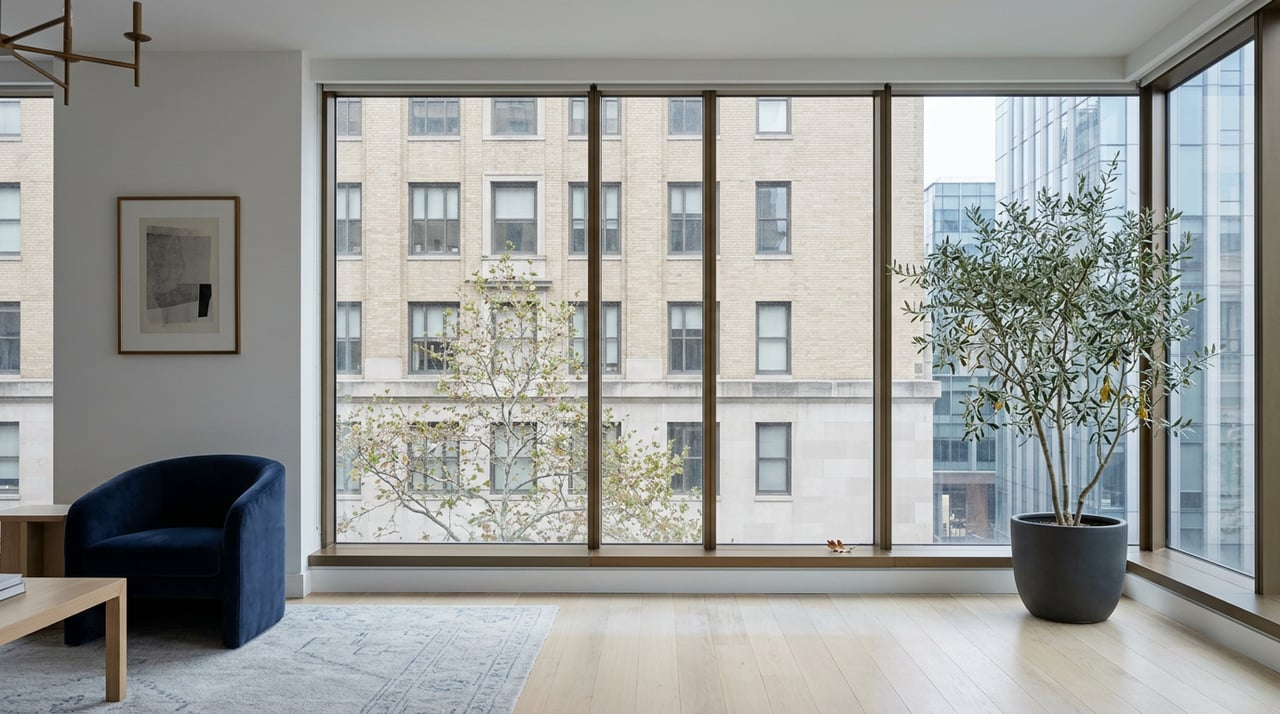
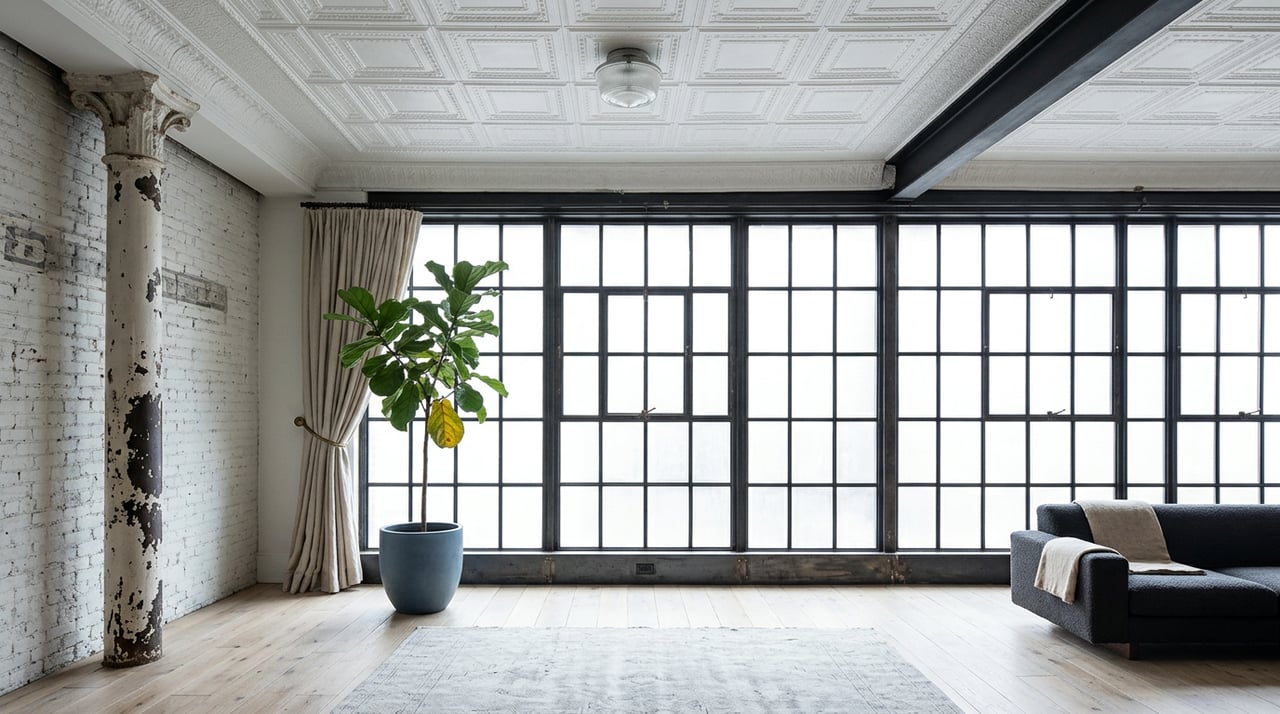
A Tribeca loft has a built-in advantage when it showcases the traits buyers want most from this property type. Traditional lofts are known for high ceilings, oversized windows, open plans, exposed architectural elements, and abundant natural light. These features are part of the neighborhood’s identity and often drive emotional interest.
Your goal is to make those qualities feel unmistakable from the first photo through the final walk-through. Buyers should immediately understand the scale of the space, how light moves through it, and why the loft feels different from a standard apartment. When those strengths are clear, your home can compete on more than just finishes.
Preserve authentic character
Tribeca’s loft story is rooted in its historic store-and-loft buildings, many of which were designed with large open interiors. That architectural history still shapes buyer expectations today. People shopping for a loft often want authenticity, not a generic renovation that could exist anywhere.
That does not mean leaving every aging feature untouched. It means preserving the elements that create identity, such as original proportions, exposed brick, beams, columns, or industrial-style windows, while making the overall space feel intentional and cared for. The best-prepared lofts balance character with comfort.
Solve the objections before buyers raise them
Make the layout easy to read
Open space can be beautiful, but it can also confuse buyers if room function is not obvious. Zillow’s 2025 consumer research found that floor plans were the single most important listing feature for 33% of buyers. In a loft, that insight matters even more because flexible space can look vague online if it is not properly defined.
Create clear living zones before photography and showings. Your dining area should look like a dining area, your living room should feel anchored, and any office or guest space should have an obvious purpose. Buyers do not want to guess how the home works.
Address comfort concerns
Older loft buildings can raise practical questions. Buyers may worry about insulation, drafty windows, noise transfer, heating and cooling costs, or overall efficiency. Even when they love the architecture, they may discount the price if those concerns feel unresolved.
You do not need to pretend the loft is something it is not. Instead, prepare answers in advance. If windows have been updated, HVAC has been serviced, or sound and comfort issues have been addressed, make sure that information is organized and ready to share.
Eliminate signs of deferred maintenance
Character and wear are not the same thing. Buyers may embrace patina, but they are less forgiving when a loft feels tired, neglected, or pieced together. Small issues can create the impression that larger ones are hiding underneath.
Before listing, focus on visible condition. Patch and paint where needed, repair hardware, correct lighting issues, refresh caulking, and make sure doors, windows, and built-ins work smoothly. In an open loft, even minor flaws are easier to spot because the eye takes in so much at once.
Stage for scale, not clutter
NAR’s 2025 staging report found that 29% of agents said staging increased offers by 1% to 10%, while 49% said it reduced time on market. It also found that 83% of buyers’ agents believe staging helps buyers envision the property as a future home. For a Tribeca loft, staging is not optional polish. It is part of the value story.
Focus on the key rooms
The rooms buyers care about most are the living room, primary bedroom, and kitchen. In a loft, those spaces often flow together visually, so they need to feel cohesive without looking crowded. Strong staging helps buyers understand proportion and see how daily life fits into the home.
Use furnishings that support the loft’s scale rather than shrinking it. Too many small pieces can make the space feel busy and fragmented. A cleaner furniture plan with confident placement usually does more to emphasize openness.
Declutter aggressively
NAR reports that decluttering and whole-home cleaning are among the most common seller recommendations, and that advice is especially important in lofts. In an open-plan home, clutter travels visually. One crowded corner can affect the way the entire space feels.
Edit bookshelves, countertops, open storage, and decorative accessories. Remove anything that distracts from ceiling height, window walls, and long sightlines. A Tribeca loft should feel airy, calm, and easy to absorb.
Keep the style restrained
Buyers in this segment tend to respond well to spaces that feel elevated and intentional. That does not require making the home bland. It means using a streamlined look that supports the architecture instead of competing with it.
Neutral foundations usually work best, with selective texture and a few well-chosen accents. If the loft has bold original features, let those do the talking. The space itself should remain the focal point.
Invest in digital presentation
Most buyers begin online, and many spend months comparing homes before acting. Zillow found that 68% of buyers had already viewed homes on a real estate website, and 59% had been searching for six months or longer. In Tribeca, where buyers are selective and often familiar with the market, weak digital presentation can cost you interest before a showing is ever scheduled.
Prioritize floor plans and photography
Floor plans matter because they turn abstract loft volume into something buyers can understand. For a loft with flexible spaces, a clear floor plan can reduce confusion and increase confidence. It helps buyers picture furniture placement, circulation, and room use.
Photography should do more than document the home. It should capture ceiling height, window scale, natural light, and the way one area connects to the next. A loft should feel expansive and intentional on screen, not dark, distorted, or overly crowded.
Use video and 3D tools wisely
Zillow also found that 3D and virtual tours were highly valued listing features, and NAR guidance continues to emphasize photos, video, virtual tours, and floor plans. For a Tribeca loft, these tools can be especially effective because they communicate volume and flow better than still images alone.
If buyers can understand the home clearly online, the showing becomes a confirmation rather than a first explanation. That often leads to stronger engagement and better-qualified interest.
Prepare your paperwork like part of the product
In a sophisticated market, documentation can build trust. NAR’s seller guidance recommends a pre-sale inspection, gathering warranties and manuals, organizing the home, and getting estimates for large items when needed. For a Tribeca loft, that preparation can help remove friction during negotiation.
Create a clean package of information before launch. That may include appliance manuals, service records, repair history, renovation details, and any useful building information available to support the home’s condition and upgrades. Buyers who feel informed are often more comfortable making strong offers.
Check landmark and building rules first
This step is particularly important in Tribeca. According to the New York City Landmarks Preservation Commission, owners of landmark buildings and buildings in historic districts must get prior approval for most alterations, while ordinary interior work generally does not require review unless it affects the exterior or requires a Department of Buildings permit.
If you are considering pre-listing improvements, confirm what approvals may be required before starting. In a neighborhood with historic building stock, changes to windows, façades, and other exterior-facing elements can involve more risk and review than sellers expect.
Price with confidence, not optimism
A well-prepared Tribeca loft can command strong attention, but pricing still needs discipline. StreetEasy shows a 55-day median sales timeline for the neighborhood, which suggests that buyers are active but not impulsive. They are willing to pay for quality, but they tend to notice when a property is overpriced relative to its condition, layout, or competition.
That is why preparation and pricing should work together. If your loft presents beautifully, addresses common objections, and offers clear documentation, you can support a stronger pricing story. If those elements are missing, buyers may respond by negotiating harder or moving on.
What top-dollar prep really looks like
If you want a simple framework, focus on the factors that buyers will reward quickly in Tribeca:
- Showcase volume, natural light, and authentic loft character
- Define each zone clearly so the layout feels easy to understand
- Remove clutter and anything that interrupts sightlines
- Refresh visible finishes and fix obvious maintenance items
- Invest in strong photography, floor plans, and immersive digital media
- Organize service records, manuals, and useful building information
- Confirm any landmark or building-related constraints before making improvements
- Price with an honest view of both your loft’s strengths and its remaining friction
When you do this well, you are not trying to turn a loft into a condo. You are making sure buyers see the full value of what only a Tribeca loft can offer, without getting distracted by the issues they would otherwise use to justify a discount.
If you are thinking about selling and want a tailored strategy for your loft, The ROYA COHEN Team can help you prepare, position, and market your home with the kind of care Tribeca buyers notice.
FAQs
What matters most when preparing a Tribeca loft for sale?
- The biggest priorities are showcasing light and volume, defining the layout clearly, removing clutter, fixing visible maintenance issues, and presenting the loft well online with strong photos and a clear floor plan.
How do Tribeca loft buyers compare lofts to newer condos?
- Many buyers compare classic lofts with newer condo inventory on layout, finishes, comfort, and ease of living, so your loft needs to highlight authentic character while reducing concerns about condition, function, and comfort.
Why is staging important for a Tribeca loft listing?
- Staging helps buyers understand scale, room use, and flow in open-plan spaces, and industry research shows it can improve how quickly a home sells and how strongly buyers respond.
What listing media is most important for a Tribeca loft?
- Floor plans, high-resolution photography, and immersive digital tools like video or 3D tours are especially important because they help buyers understand ceiling height, sightlines, light, and layout before they visit.
Should Tribeca loft sellers make upgrades before listing?
- Targeted improvements can help, but sellers should first confirm building and landmark rules, especially if any planned work affects windows, the façade, or other exterior-facing elements.
How should a Tribeca loft be priced in today’s market?
- Pricing should reflect both the neighborhood’s strong luxury demand and the specific strengths and friction points of your loft, including condition, layout clarity, presentation quality, and competition from newer condo listings.