Downtown

A map to the dozen neighborhoods below 14th Street: lofts, row houses, tenements and new towers, and how to choose between them.

Welcome to Downtown Manhattan

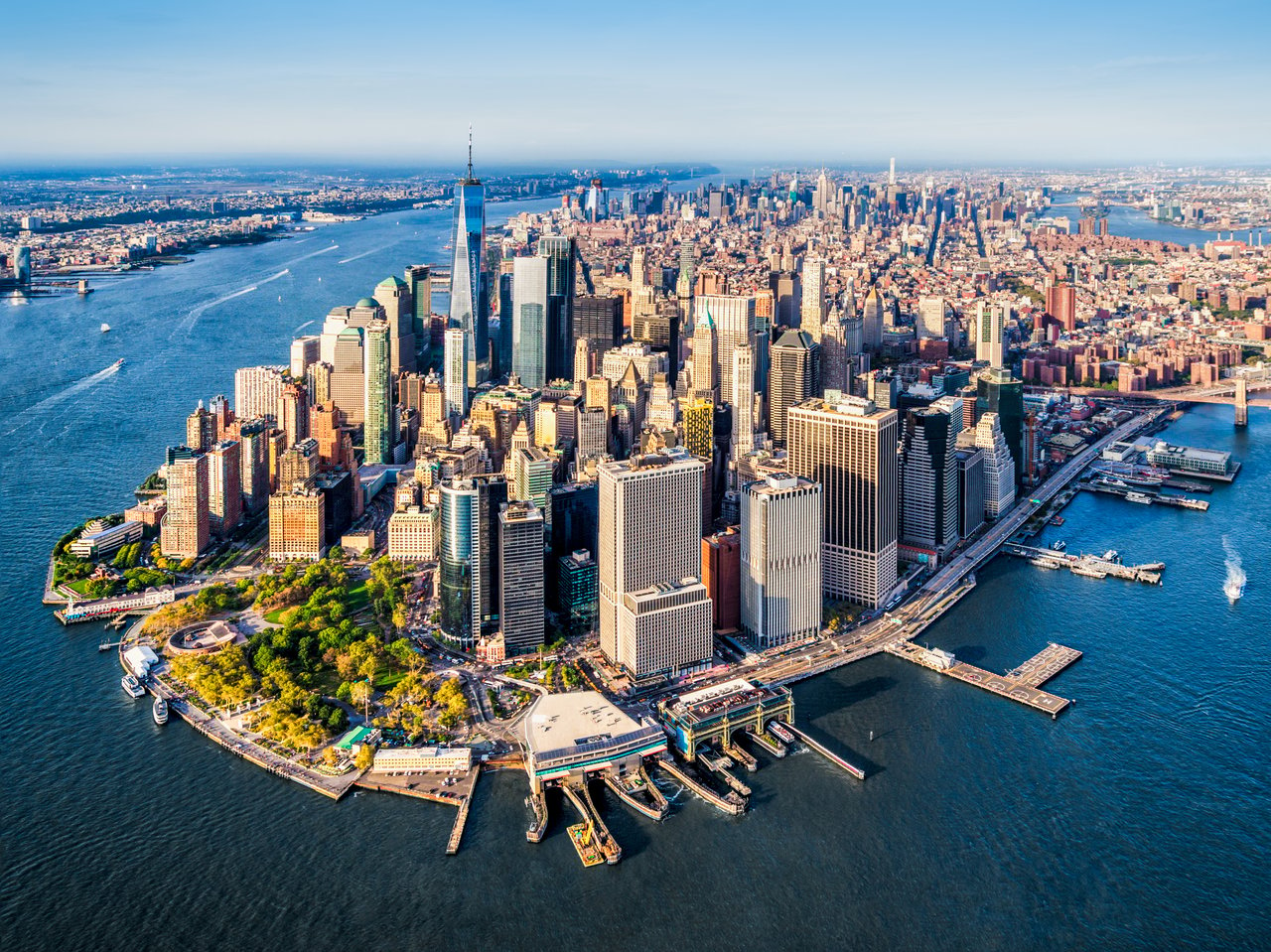
Downtown Manhattan is everything south of 14th Street, from the Villages and Chelsea's southern edge down to the Battery. That is a dozen distinct neighborhoods in about two square miles, and it is where the city began: the Dutch settlement at the tip of the island in the 1620s, the colonial town that grew north along Broadway, and the immigrant districts east of the Bowery in the 1800s. Because downtown predates the 1811 street grid, much of it has irregular streets, short blocks and a mix of building types you do not find uptown.
This page is a map to the whole area. Each neighborhood below has its own detailed guide on this site, with boundaries, housing stock, subways and FAQs. Use this page to understand how they relate to one another, then go deeper into the one or two that fit.

How Downtown Manhattan Fits Together

The simplest way to think about downtown is by zone. The waterfront zone on the west, from Tribeca down through Battery Park City to the Financial District, has the widest streets, the most new construction and the most full-service buildings, because the land was either industrial or landfill and could be redeveloped at scale. The historic core in the middle, Greenwich Village, the West Village, SoHo and NoHo, is almost entirely landmarked, which fixes the supply of row houses and lofts and keeps prices per square foot high. The eastern zone, the East Village, Lower East Side, Chinatown, Little Italy and Nolita, was built as tenement districts, so apartments are smaller and more affordable, and new condominiums have been filling in because there is less landmark protection.
Transit knits it together. Canal Street, Chambers Street, West 4th Street, Union Square and the World Trade Center hub each serve six or more lines, and the PATH connects the West Village and the Financial District to New Jersey. Hudson River Park runs the entire western shore from Chambers Street to 59th Street, and the East River waterfront is being rebuilt from the Battery up to the East Village.

Downtown Manhattan Homes for Sale

Downtown has every housing type in the city, which is both its appeal and the reason buyers need guidance. Converted loft buildings, in both co-op and condominium form, are the signature product of Tribeca and SoHo. Federal and Greek Revival row houses define the West Village and Greenwich Village, with townhouse pricing set by fixed supply. Converted tenements make up the bulk of the East Village, Lower East Side and Nolita, generally as walk-up co-ops. New condominium towers cluster in Tribeca, the Financial District, along the High Line and along the Bowery. And Battery Park City, built on landfill in the 1980s and 1990s, is the one place downtown where nearly every building is a full-service doorman building, with the particular feature that all its land is leased from the Battery Park City Authority.
Our team has represented homes across downtown: at 108 Leonard Street in Tribeca, 114 Mercer Street in SoHo, 166 Perry Street in the West Village, 123 Baxter Street and 136 Baxter Street in Nolita and Little Italy, 315 East 12th Street in the East Village and 133 West 14th Street on the Village and Chelsea border, and our current listing at 130 Fulton Street is in the Financial District.

Which Downtown Neighborhood Is Right for You?

If space is the priority, start with Tribeca and SoHo for lofts. If architecture and a quiet street matter most, the West Village and Greenwich Village. If you want a modern doorman building at a lower price per square foot than Tribeca, the Financial District and Battery Park City. If you want energy, restaurants and the lowest entry prices below 14th Street, the East Village and Lower East Side. If you want a small, boutique-lined neighborhood between SoHo and the Bowery, Nolita.
The tradeoffs follow the zones: the waterfront zone has the amenities but less street life at night in the Financial District; the historic core has the character but the fewest elevators and doormen; the eastern zone has the value but the smallest apartments and the longest walks to trains in its eastern blocks. We can walk you through two or three of these in a single afternoon, which is usually the fastest way to decide.

Where to Eat and Drink

  • Le Coucou: French dining on Lafayette Street in SoHo.
  • Frenchette: lively bistro on West Broadway in Tribeca.
  • The Fulton and the Tin Building by Jean-Georges at the Seaport.
  • The Dead Rabbit: Irish bar on Water Street in the Financial District.
  • Pier 17 rooftop in season.

Things to Do

  • Walk across the Brooklyn Bridge at sunrise.
  • One World Observatory.
  • Concerts and markets at the Seaport.
  • Hudson River Park from Chambers Street north to the Whitney.
Explore All Our Neighborhoods

Downtown Manhattan FAQ

What counts as Downtown Manhattan?

In everyday use, Downtown Manhattan means everything south of 14th Street: Greenwich Village, the West Village, the East Village, SoHo, NoHo, Nolita, Little Italy, Chinatown, the Lower East Side, Tribeca, the Financial District, Battery Park City and the Seaport. Some people use it more narrowly for the area below Canal or Chambers Street, which is better called Lower Manhattan and has its own page on this site.

What is the difference between Downtown and Lower Manhattan?

Downtown is the broader term for everything below 14th Street. Lower Manhattan usually means the southern tip below Chambers Street, including the Financial District, Battery Park City, the Civic Center and the Seaport. All of Lower Manhattan is downtown, but most of downtown (the Villages, SoHo, the East Village) is not Lower Manhattan.

Which downtown neighborhood has the most space for the money?

Battery Park City and the Financial District generally offer the lowest price per square foot for a full-service doorman condominium downtown, because the supply of new construction there is large. Among older buildings, the converted tenements of the East Village and Lower East Side offer the lowest entry prices, though the apartments are small. Tribeca lofts offer the most absolute space but at the highest price per square foot in the city.

Which downtown neighborhoods have townhouses?

The West Village and Greenwich Village have the largest supply, mostly Federal and Greek Revival row houses from the 1820s to 1850s inside the Greenwich Village Historic District. Chelsea, just north of 14th Street, has a smaller concentration. Tribeca and SoHo have very few because they were built for commerce, and the East Village and Lower East Side have only scattered survivors among the tenements.

Is Downtown Manhattan mostly condos or co-ops?

It depends entirely on the neighborhood. Tribeca and the Financial District lean condominium because of new construction and 1990s-onward conversions. Greenwich Village, the West Village, SoHo and the East Village lean co-op because their buildings were converted in the 1970s and 1980s when co-ops were the standard form. Battery Park City is nearly all condominium, built on land leased from a public authority.

Which downtown neighborhoods have the best subway access?

The best-connected points are Union Square (4, 5, 6, L, N, Q, R, W), West 4th Street (A, C, E, B, D, F, M), Canal Street (A, C, E, N, Q, R, W, J, Z, 6, 1), Chambers Street and the World Trade Center hub (1, 2, 3, A, C, E, R, W, PATH). Neighborhoods near those hubs, including Greenwich Village, SoHo, Tribeca and the Financial District, are the easiest commutes. The eastern blocks of the East Village and Lower East Side and the western edge of Battery Park City are the longest walks to a train.

How do I decide between downtown neighborhoods?

Start with the building type you want (loft, row house, prewar apartment, new condominium), then the tradeoff between quiet and street life, then commute. Those three answers usually narrow a dozen neighborhoods to two or three. We regularly take clients through several downtown neighborhoods in one afternoon so they can feel the differences rather than reading about them.

Overview for Downtown, NY

387,305 people live in Downtown, where the median age is 38 and the average individual income is $111,562. Data provided by the U.S. Census Bureau.

387,305

Total Population

38 years

Median Age

High

Population Density Population Density This is the number of people per square mile in a neighborhood.

$111,562

Average individual Income

Demographics and Employment Data for Downtown, NY

Downtown has 193,816 households, with an average household size of 2. Data provided by the U.S. Census Bureau. Here’s what the people living in Downtown do for work — and how long it takes them to get there. Data provided by the U.S. Census Bureau. 387,305 people call Downtown home. The population density is 98,375 and the largest age group is Data provided by the U.S. Census Bureau.

387,305

Total Population

High

Population Density Population Density This is the number of people per square mile in a neighborhood.

38 years

Median Age

49 / 51%

Men vs Women

Population by Age Group

0-9:

0-9 Years

10-17:

10-17 Years

18-24:

18-24 Years

25-64:

25-64 Years

65-74:

65-74 Years

75+:

75+ Years

Education Level

  • Less Than 9th Grade
  • High School Degree
  • Associate Degree
  • Bachelor Degree
  • Graduate Degree
193,816

Total Households

2

Average Household Size

$111,562

Average individual Income

Households with Children

With Children:

Without Children:

Marital Status

Married
Single
Divorced
Separated

Blue vs White Collar Workers

Blue Collar:

White Collar:
Commute Time

0 to 14 Minutes
15 to 29 Minutes
30 to 59 Minutes
60+ Minutes

Property Listings

Search Homes
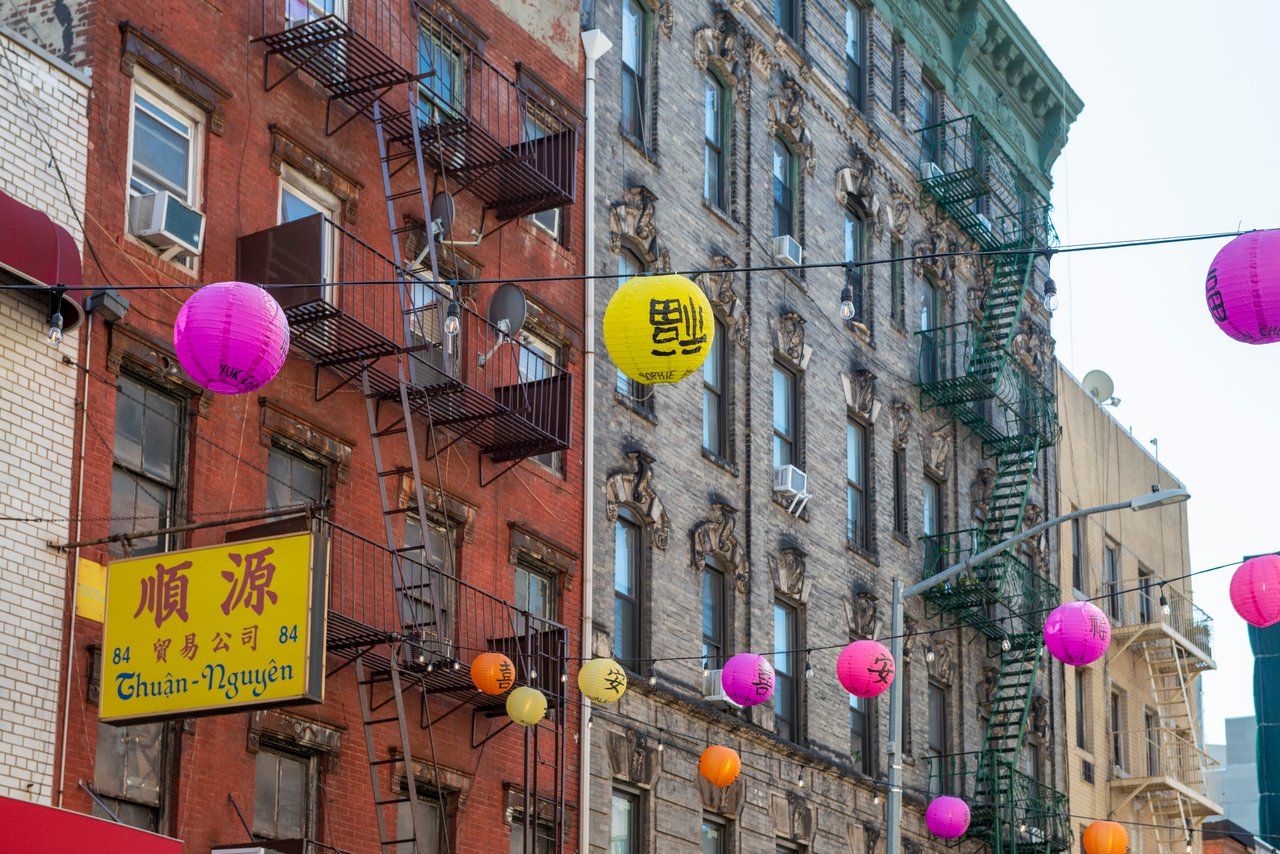
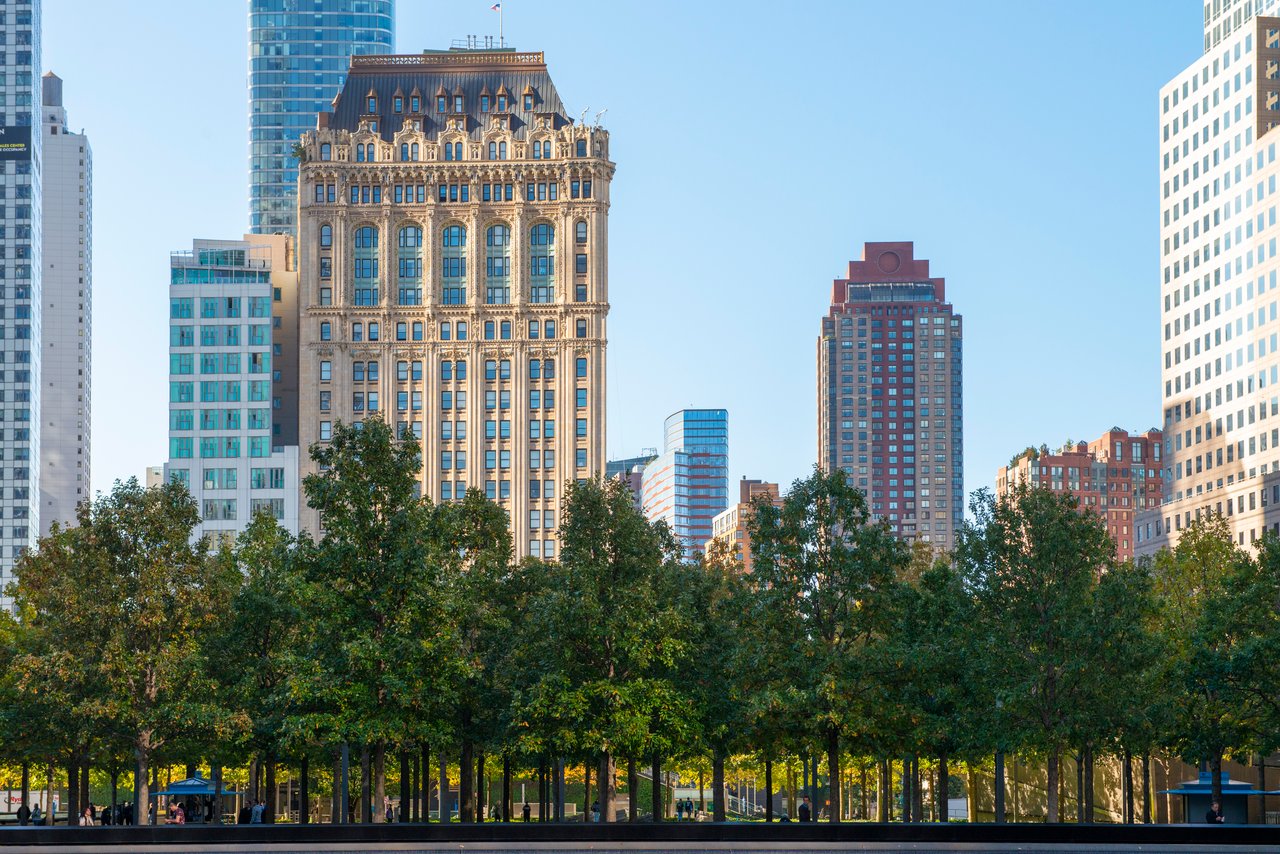
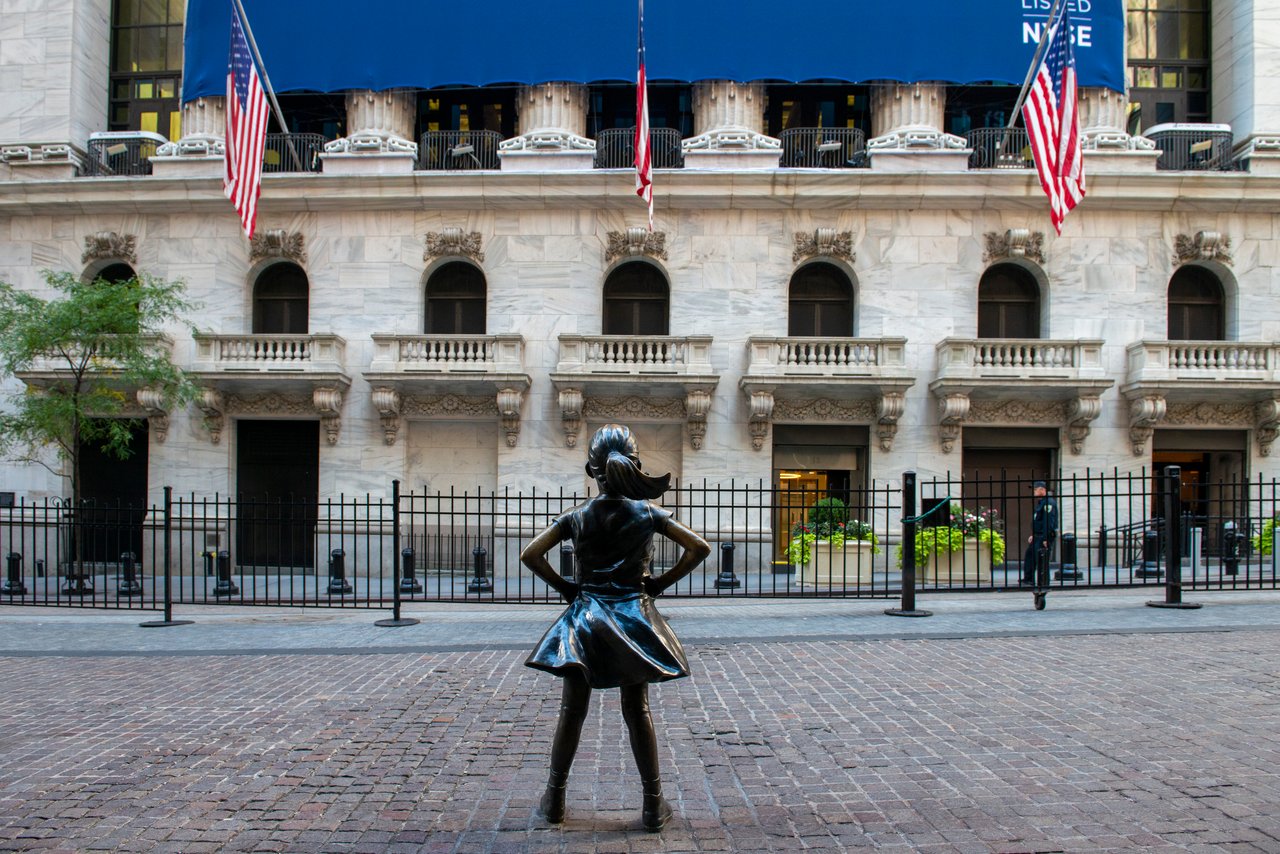
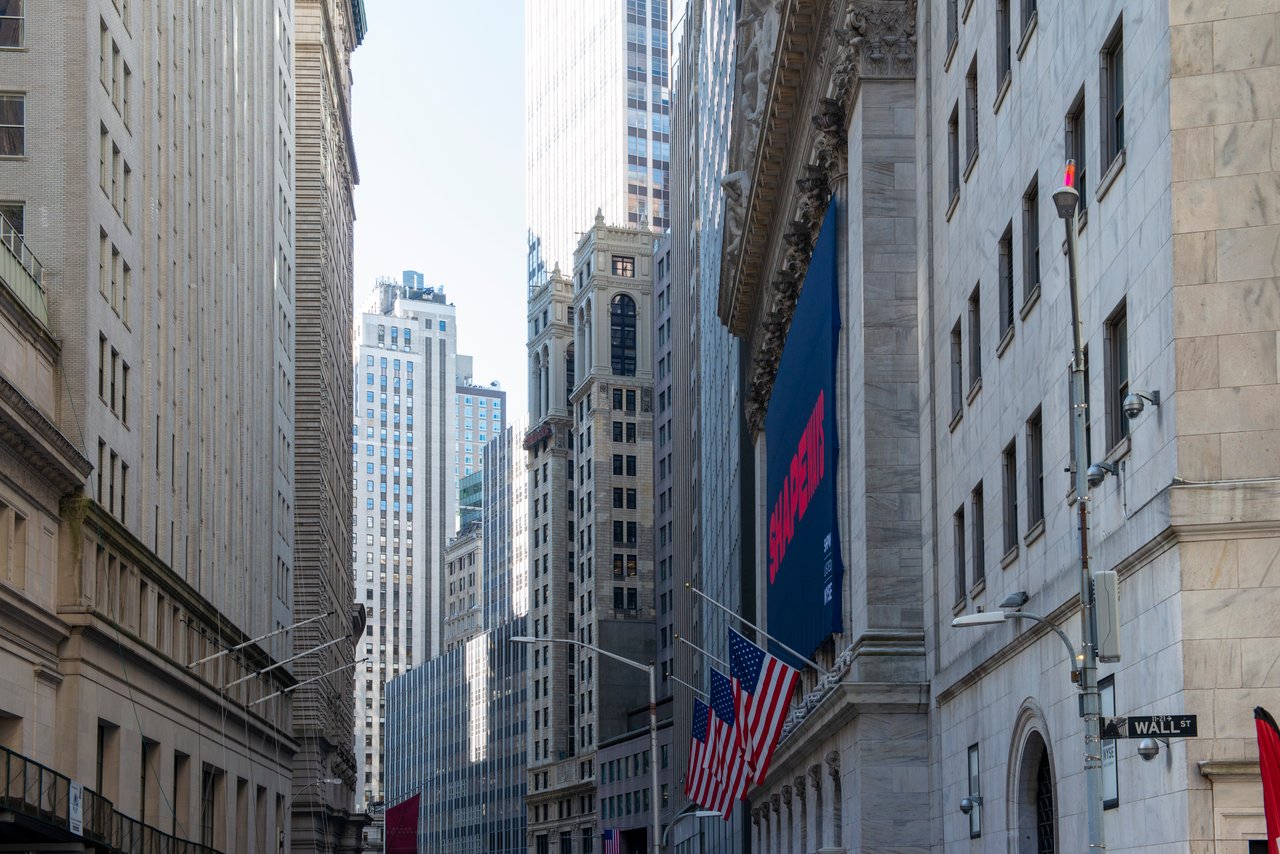
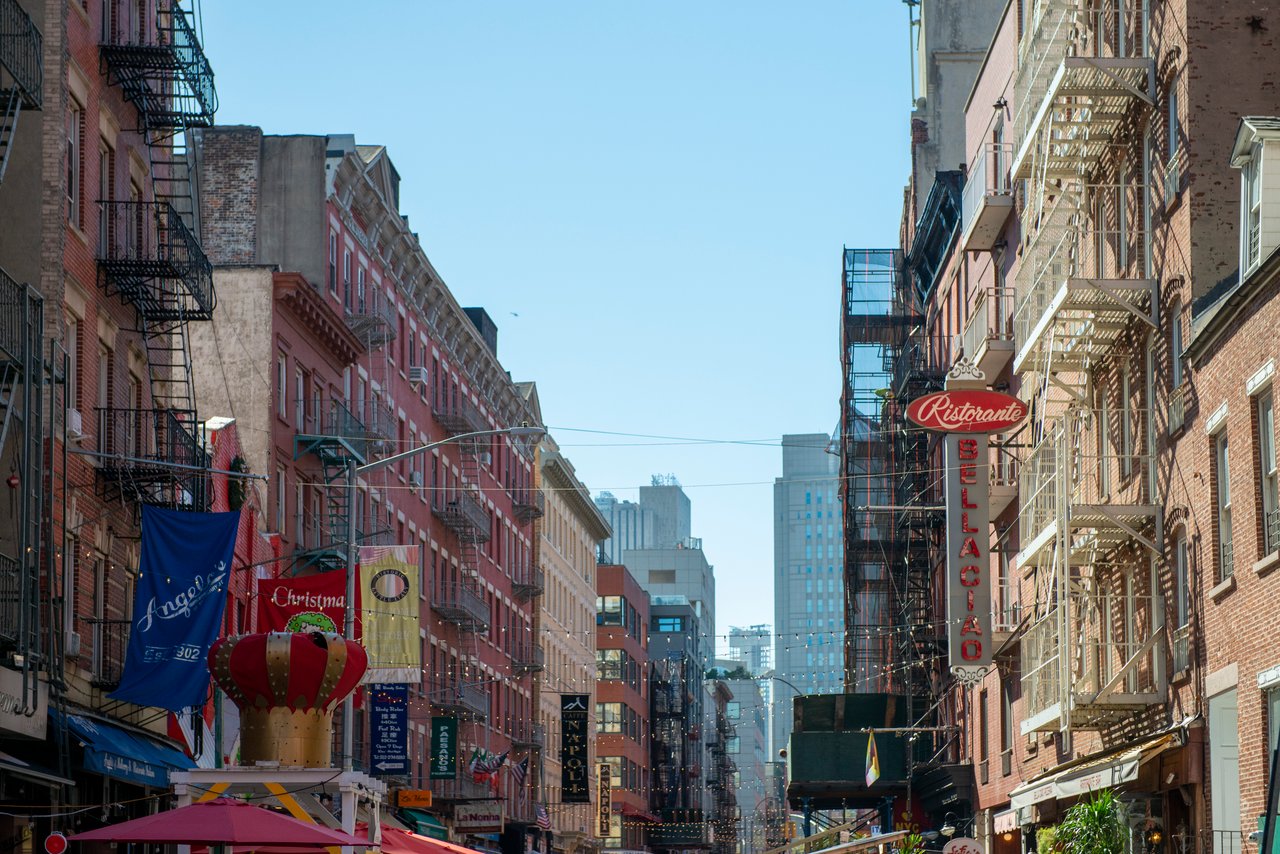
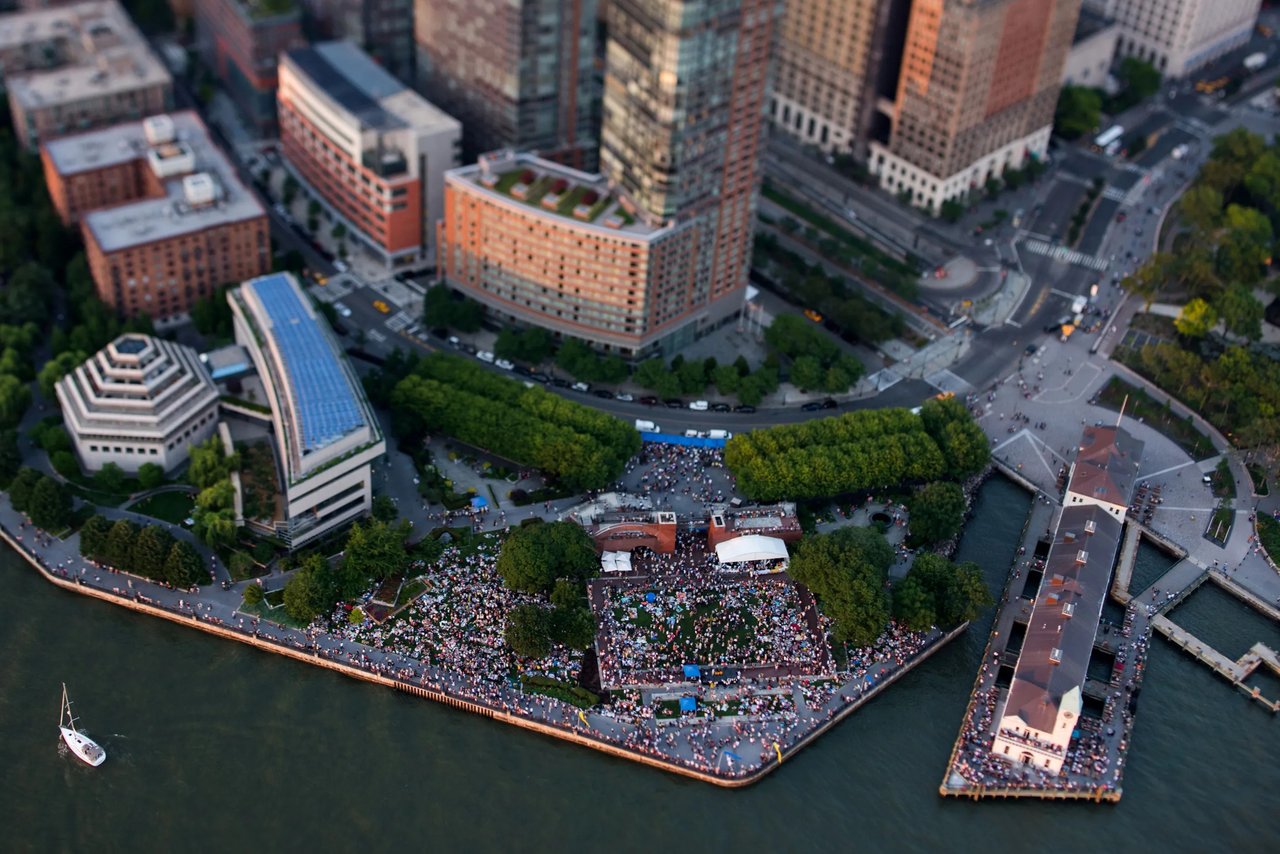
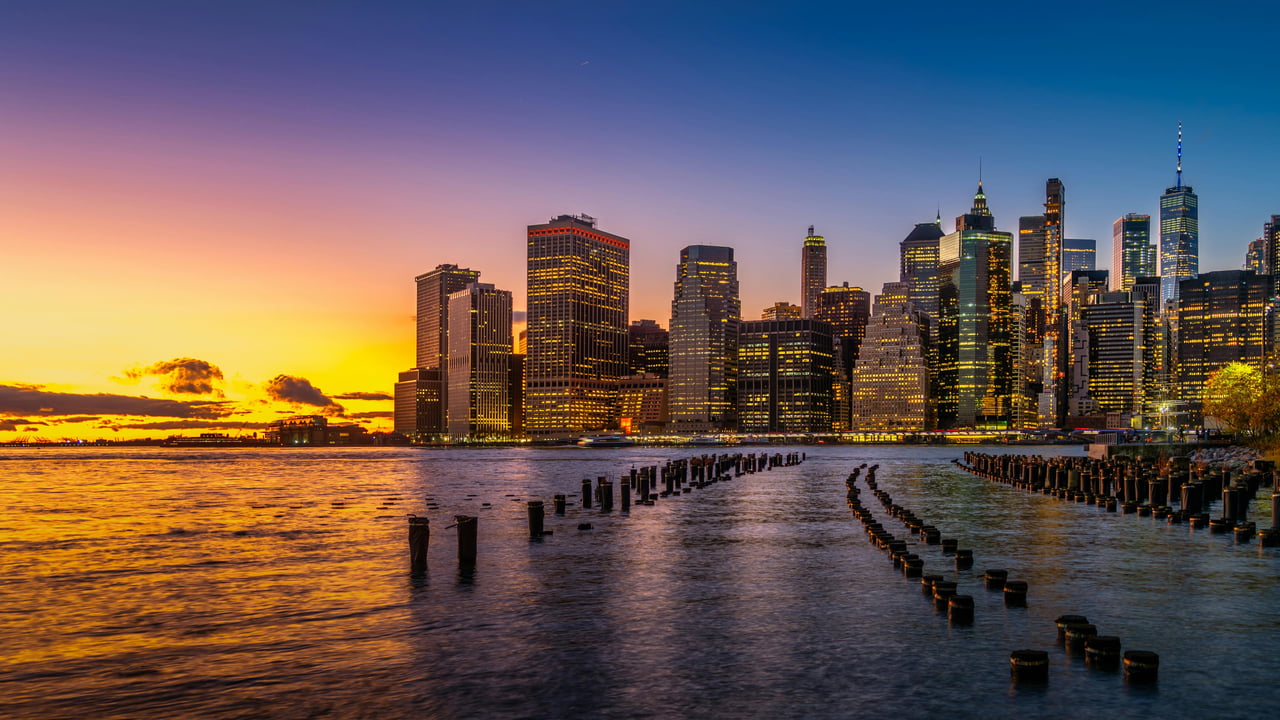
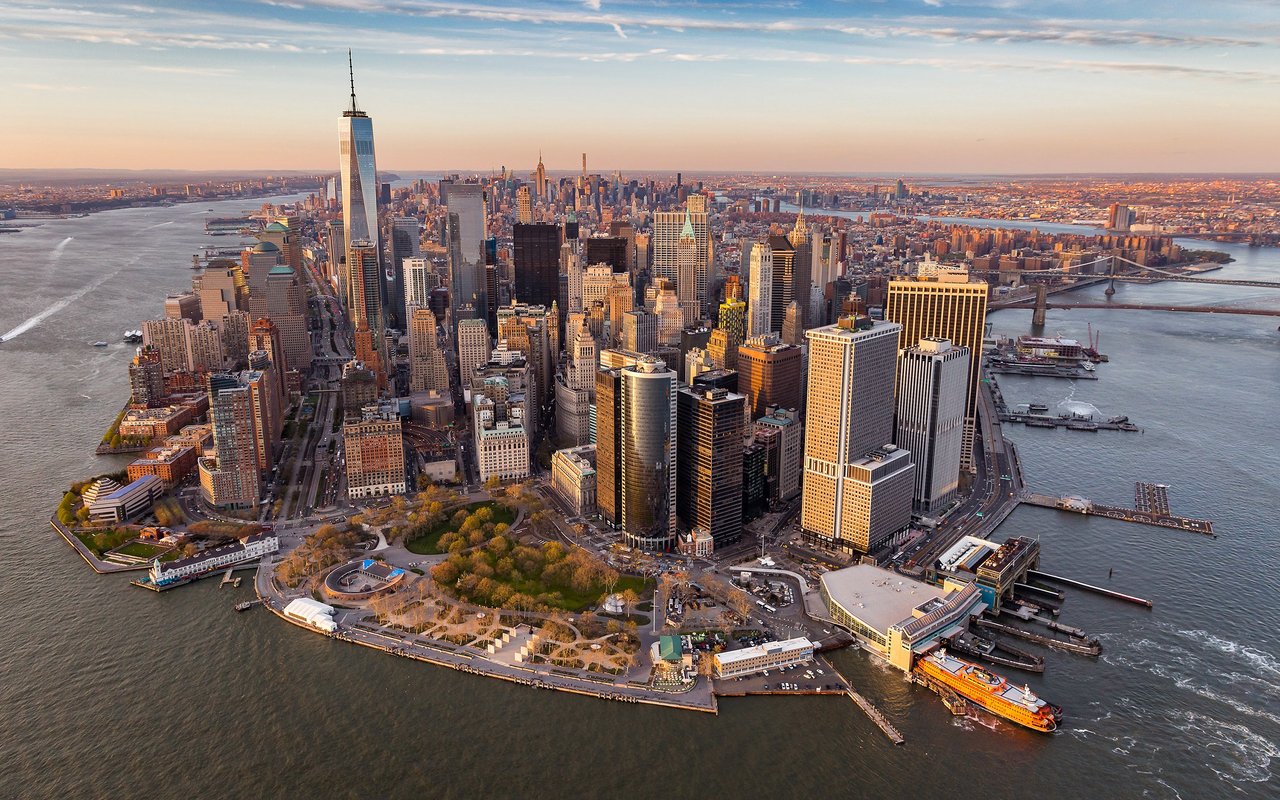
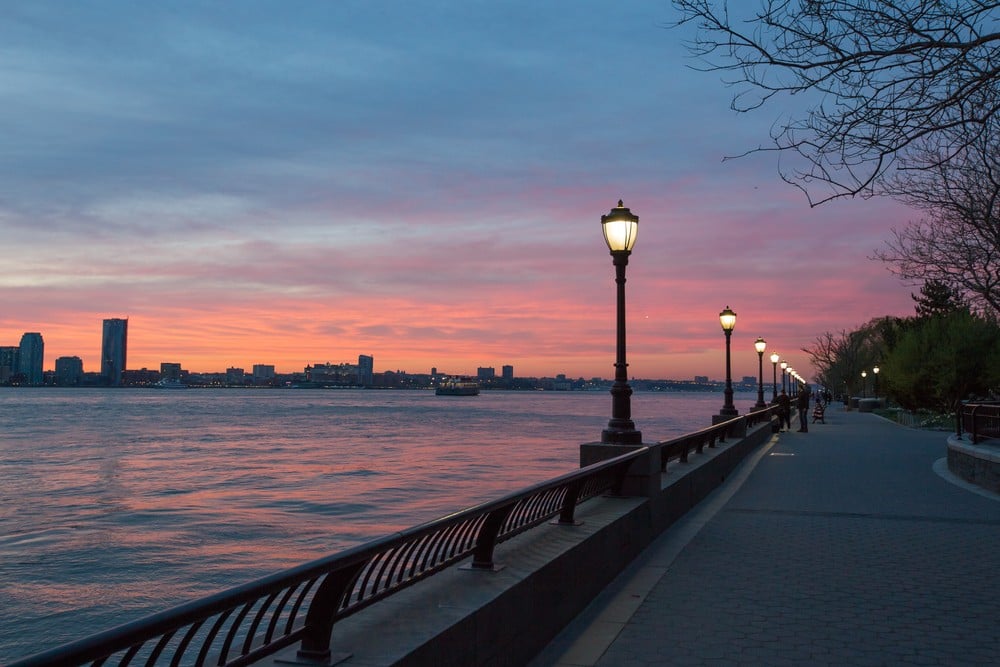
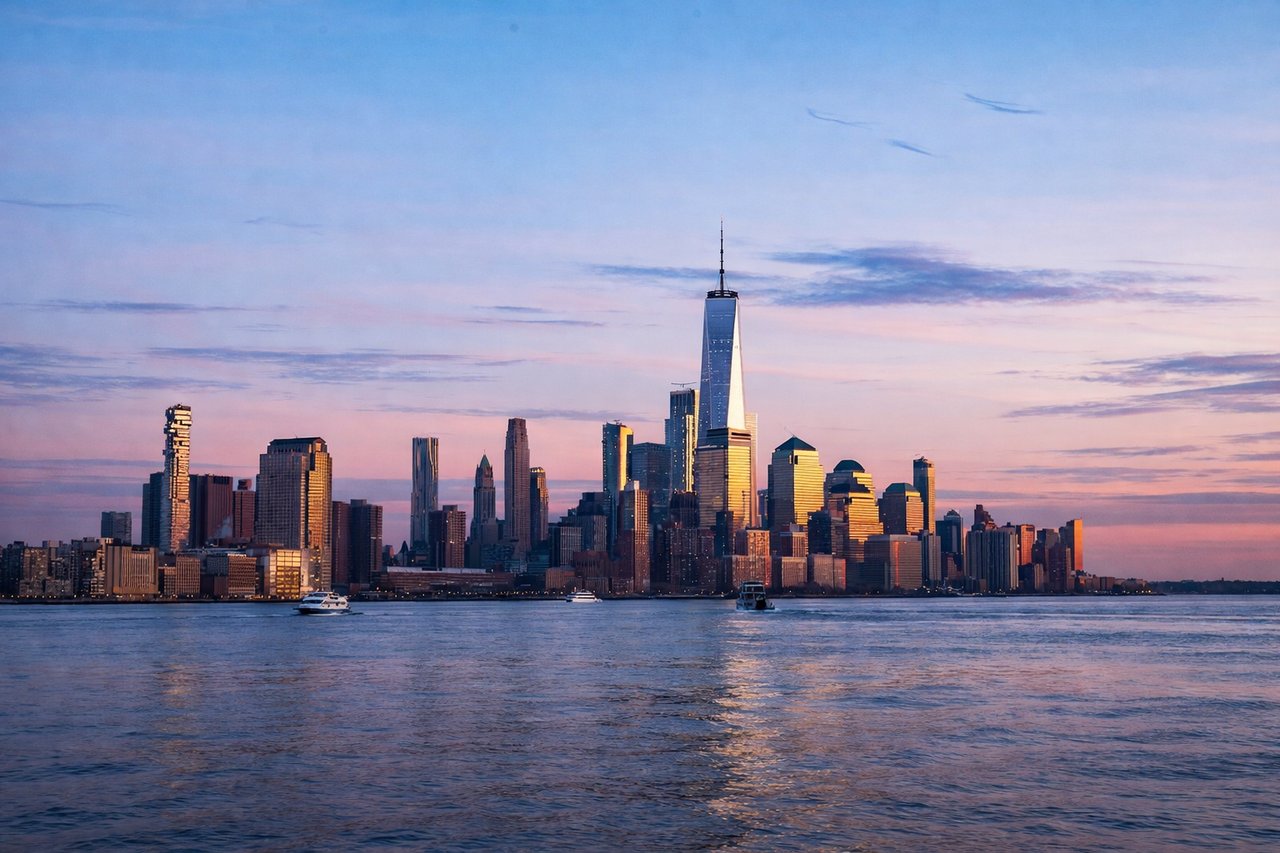
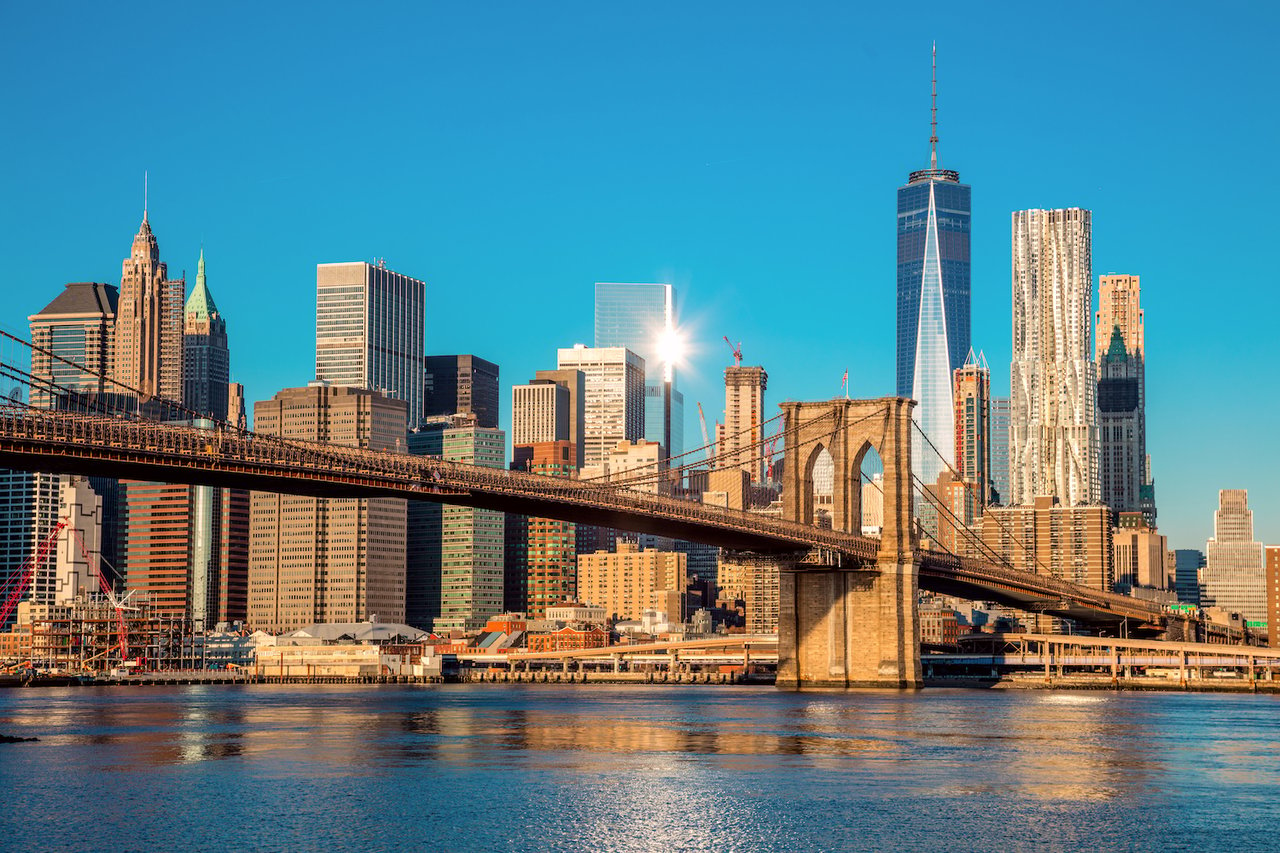
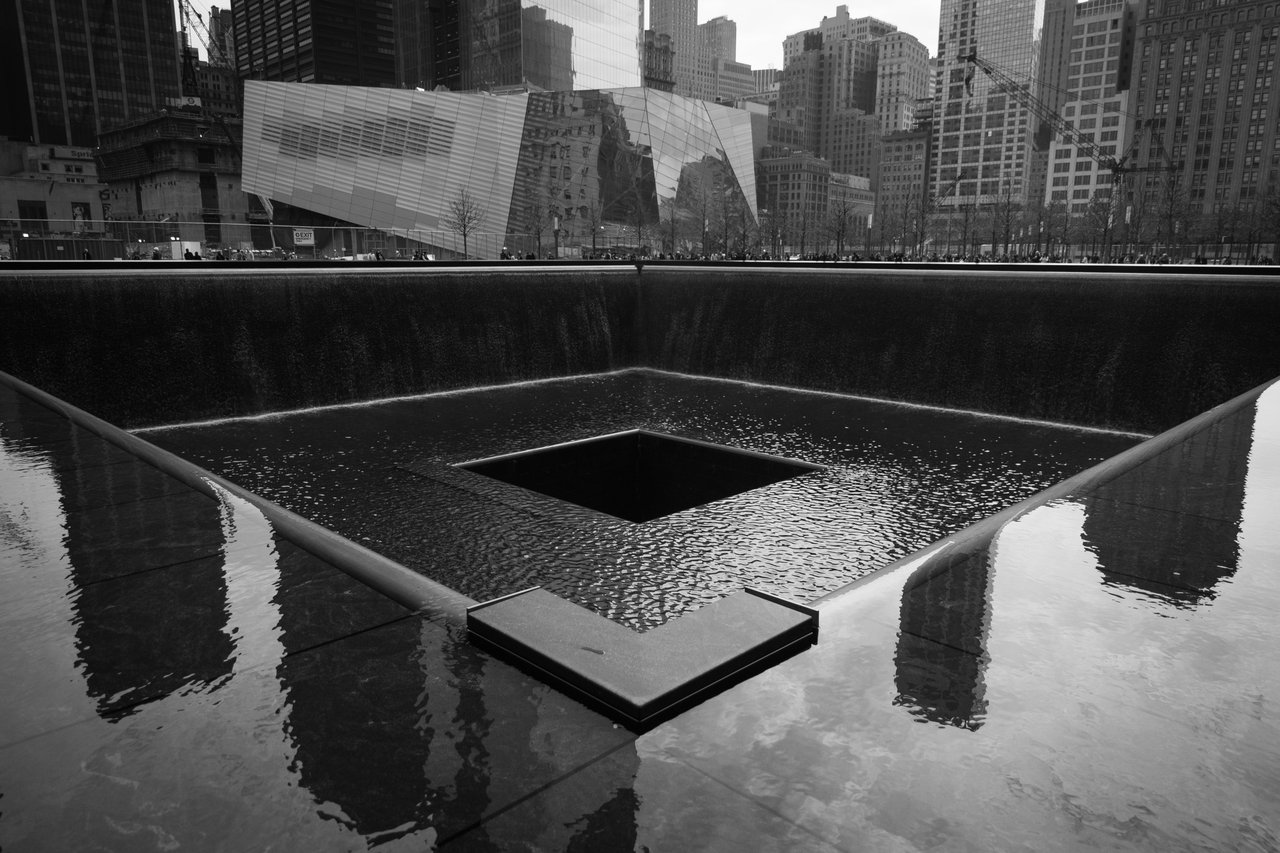
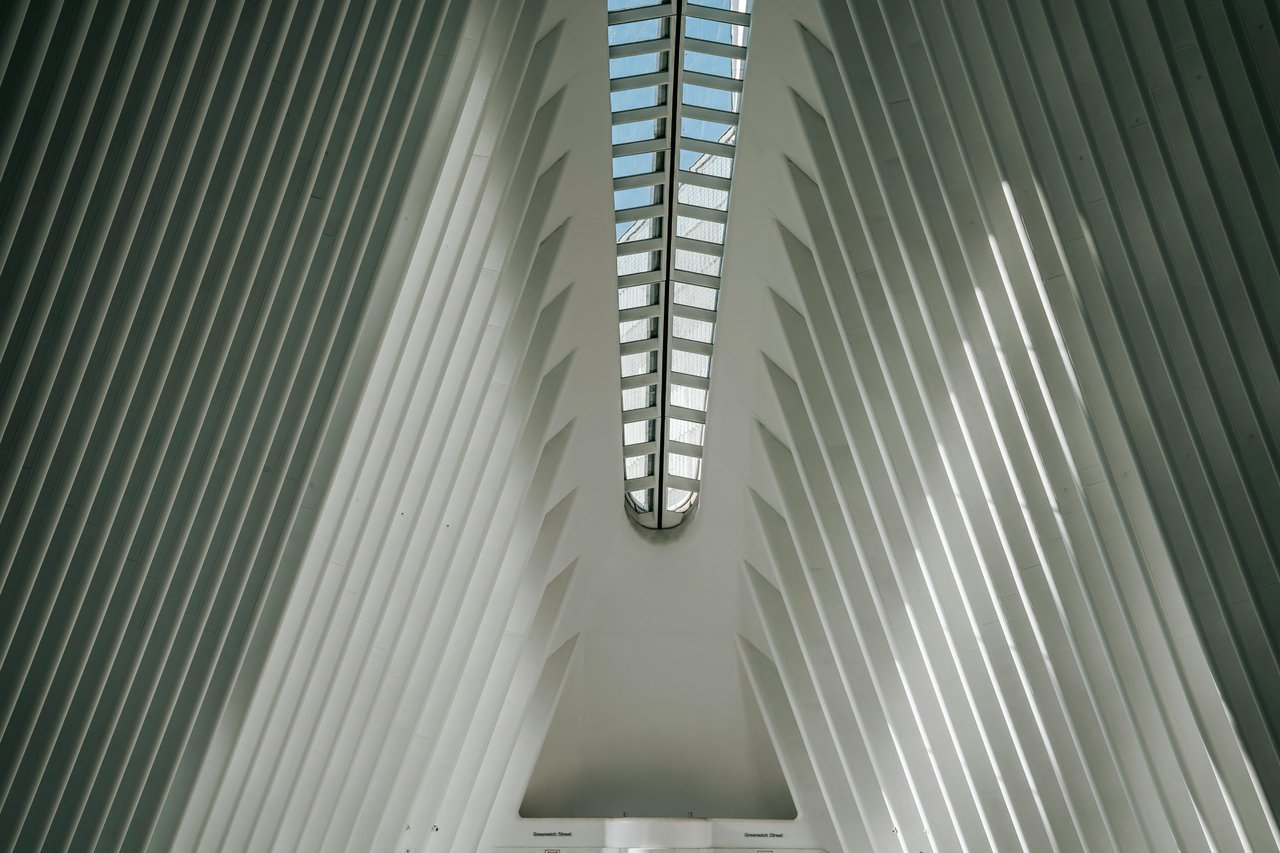
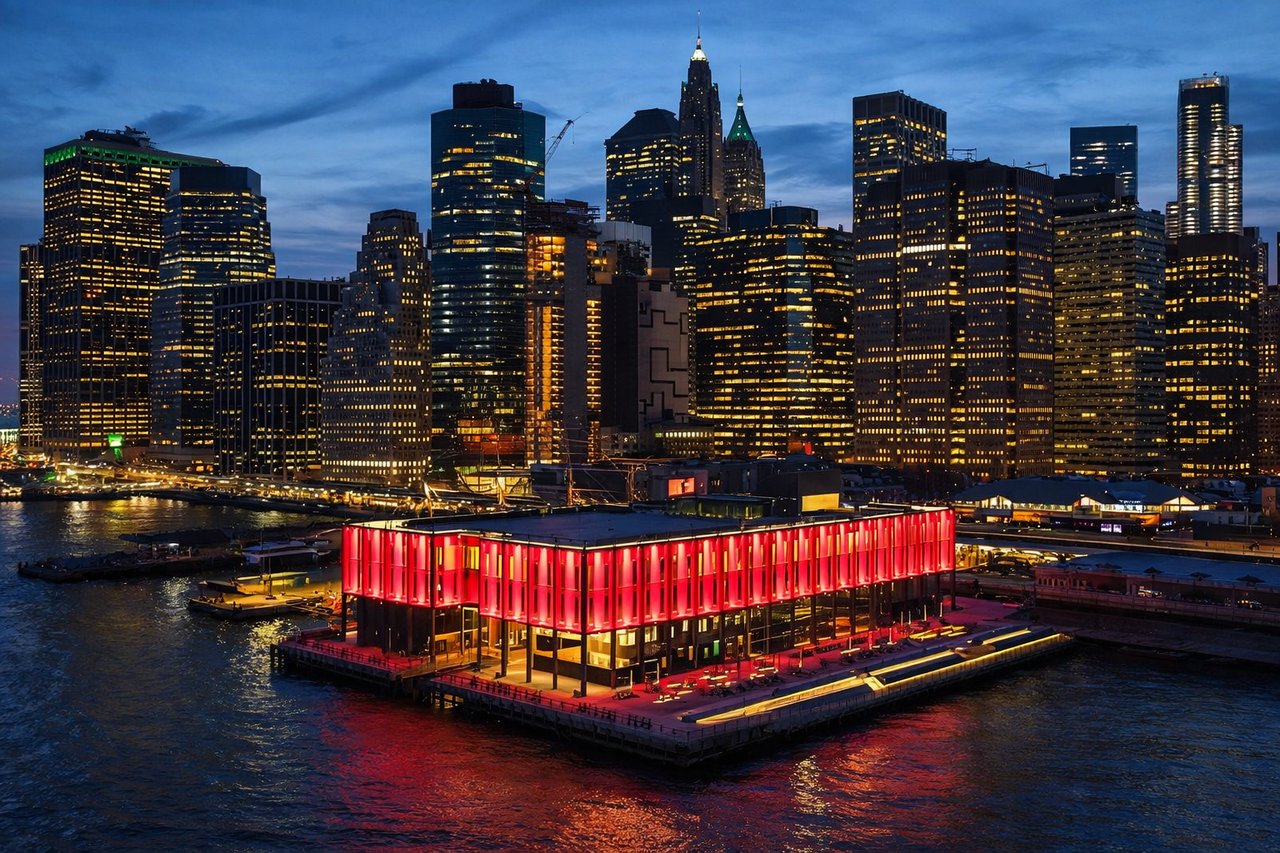
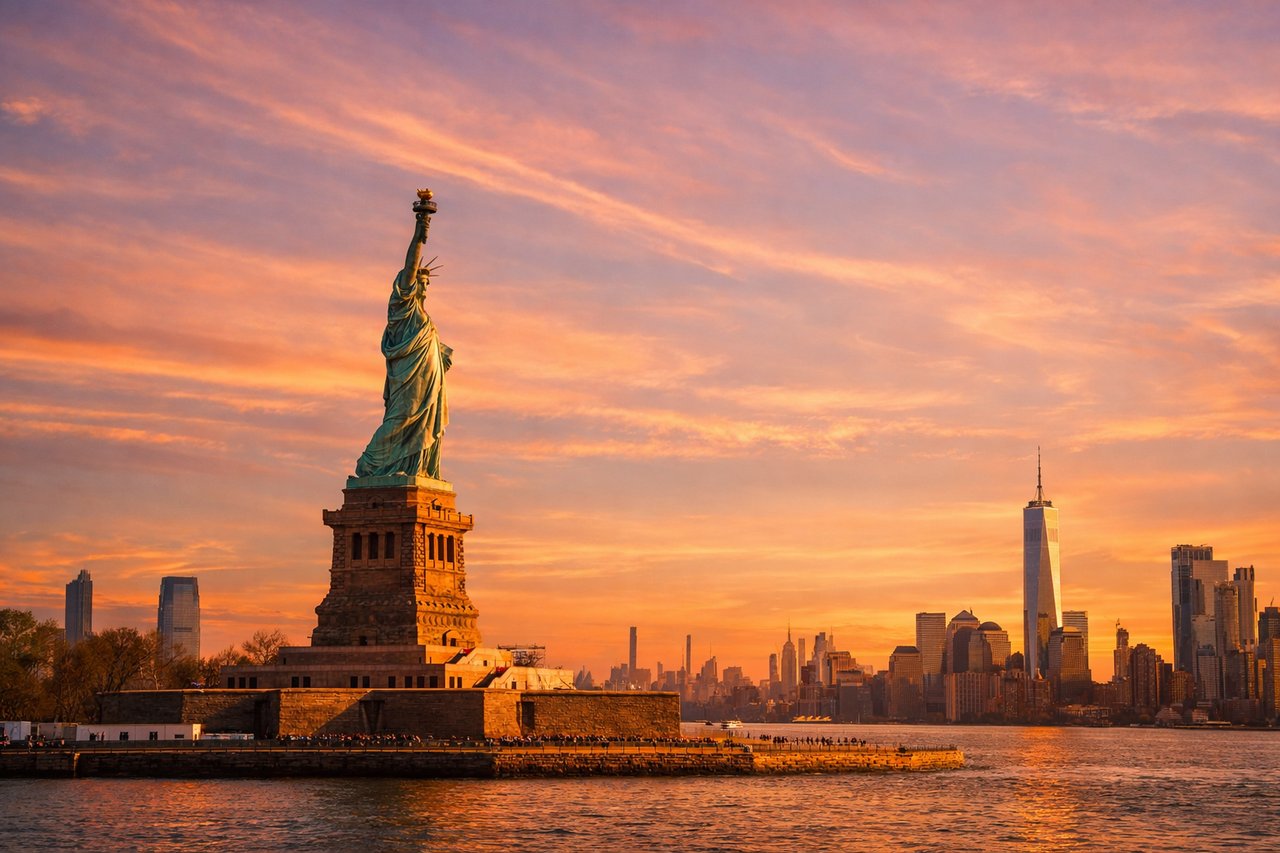
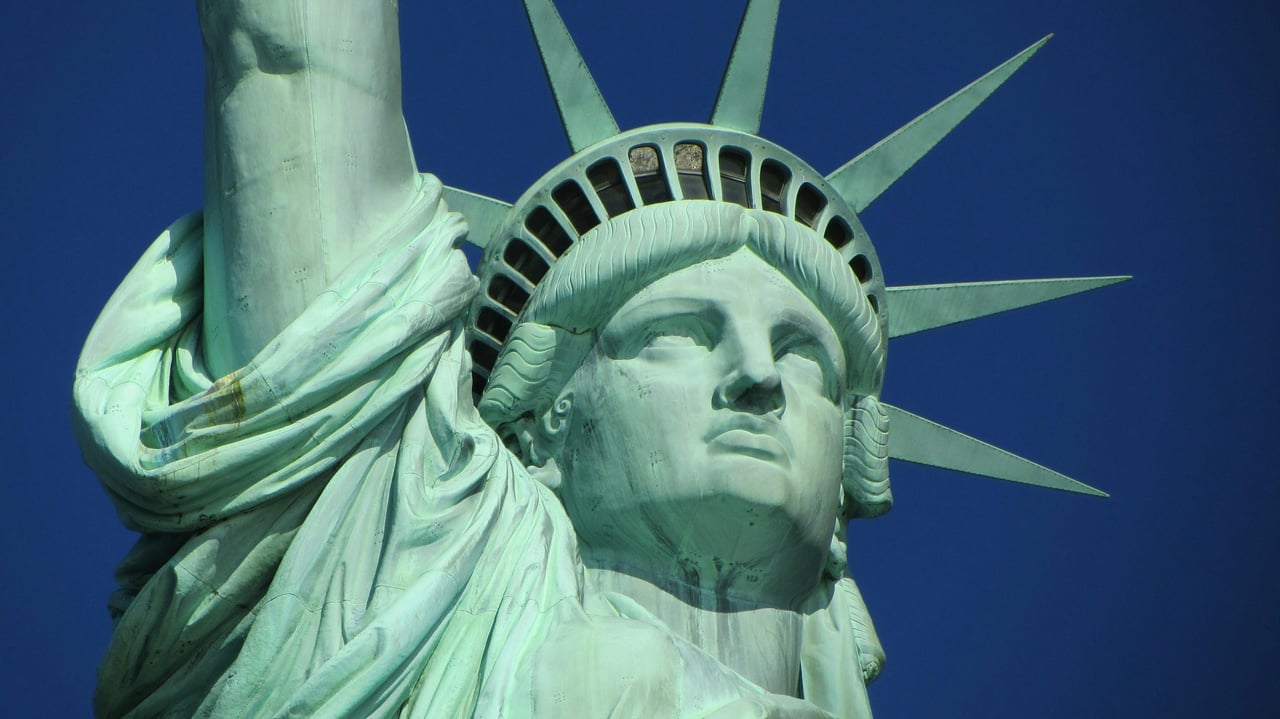
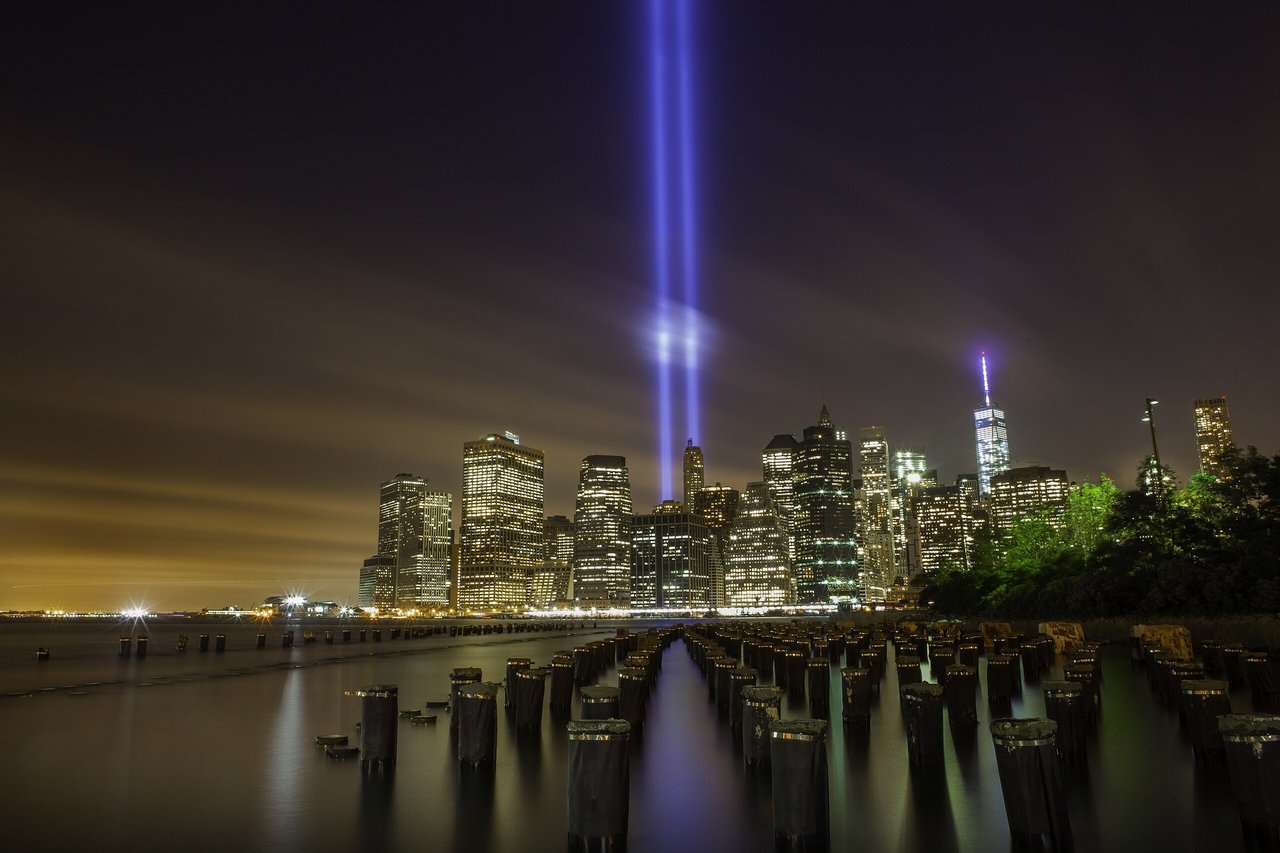
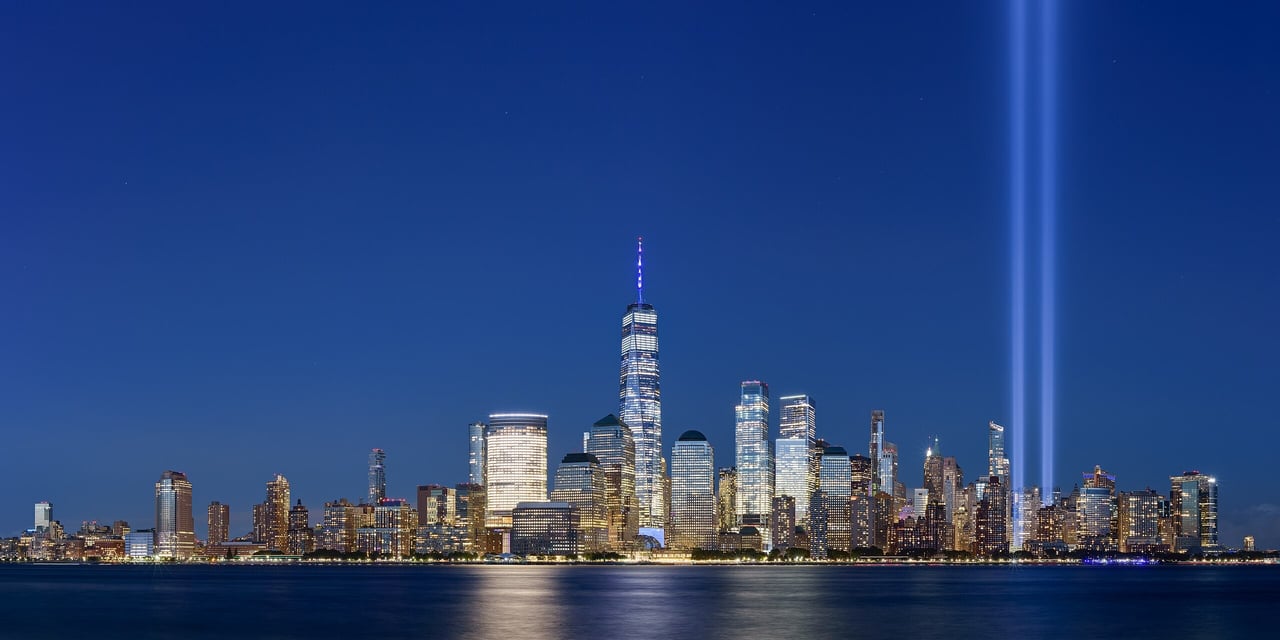
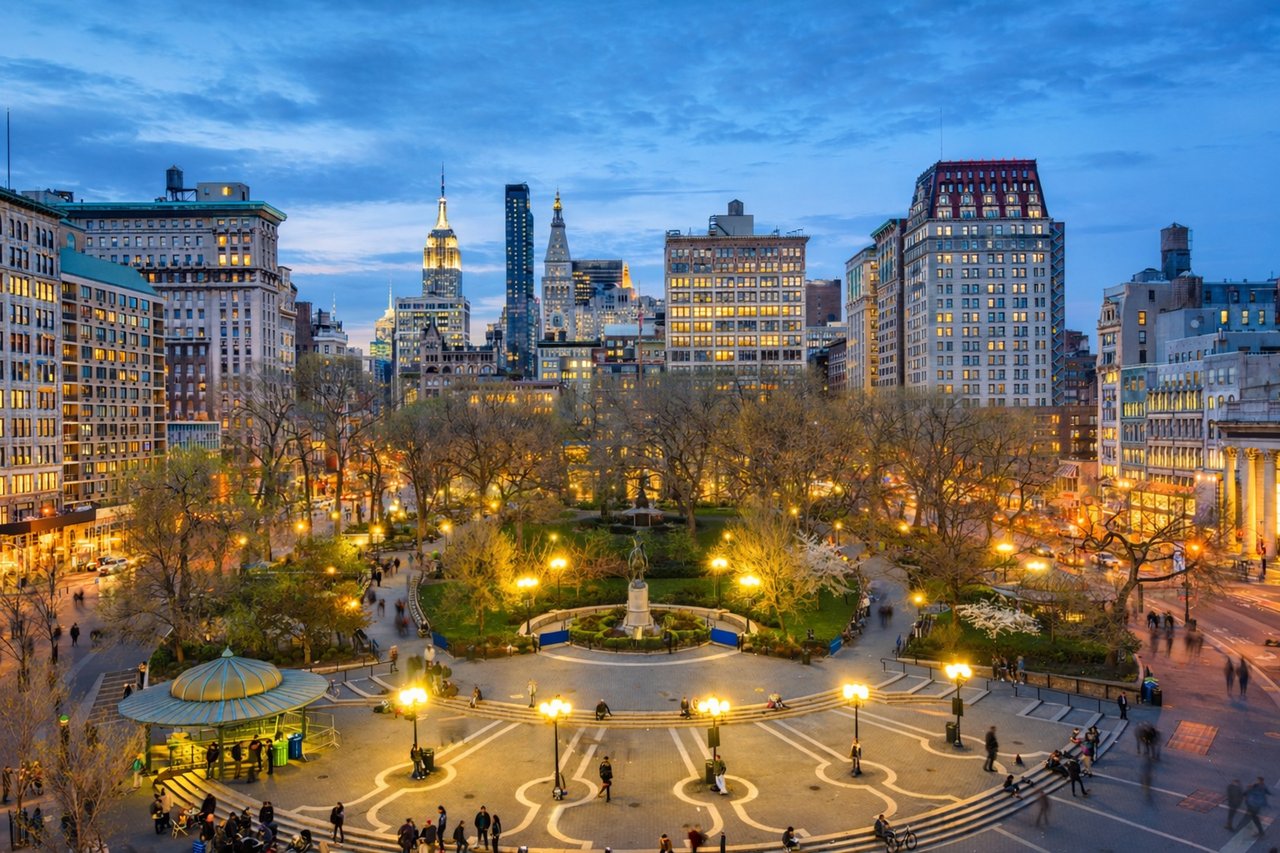
Aerial view of Lower Manhattan and its waterfront, with One World Trade Center rising above the surrounding skyscrapers. Brick and stone downtown buildings with fire escapes and colorful lanterns strung across the street. Downtown Manhattan buildings rise behind a tree-lined park, including an ornate historic tower. Fearless Girl faces the New York Stock Exchange across a cobblestone street. Wall Street sign beneath American flags and tall downtown Manhattan buildings. Downtown street lined with brick buildings, fire escapes, and a Bella Ciao restaurant sign. Aerial view of a busy waterfront park bordered by downtown buildings and river piers. Lower Manhattan skyline glowing at sunset across the waterfront. Lower Manhattan skyline with One World Trade Center, waterfront parks, and rivers at golden hour. Waterfront promenade at dusk, with glowing lampposts along the river and sunset colors reflected on the water. Lower Manhattan skyline at dusk, with One World Trade Center above the river. Brooklyn Bridge spans the East River before the Lower Manhattan skyline and One World Trade Center. 9/11 Memorial reflecting pool with its central void and Lower Manhattan buildings beyond. Oculus interior with sweeping white ribs framing a narrow central skylight. Lower Manhattan skyline at dusk, with a red-lit waterfront building reflected in the water. Statue of Liberty and Lower Manhattan skyline across the harbor at sunset. The Statue of Liberty’s face and crown against a clear blue sky. Lower Manhattan skyline at night, with Tribute in Light beams above the waterfront and pier pilings in the foreground. Lower Manhattan skyline at night, with One World Trade Center and blue beams of light. Manhattan skyline behind a busy, illuminated park and plaza at dusk.

Work With Us

Whether buying, selling, or investing, The Roya Cohen Team offers the expertise, integrity, and proven track record to help you succeed in New York City’s dynamic real estate market.

Follow Us on Instagram