By Roya Cohen, Licensed Real Estate Salesperson, Sotheby's International Realty. Reviewed November 2026.
A Manhattan listing is a marketing document written in a local dialect. Some phrases are plain description. Others are signals, and a few are polite warnings. Knowing which is which saves you from touring apartments you cannot buy and helps you spot value that other buyers scroll past. Here are the phrases that matter most, what they actually mean, and what they tend to say about price.
Ownership and approval
Sponsor unit. The apartment is being sold by the building's original developer or converter, who still holds unsold shares or units. In a co-op, sponsor sales usually bypass board approval, which makes them valuable to buyers with unconventional finances, buyers purchasing for a relative, or anyone who wants certainty and speed. Sponsor units often need renovation and sometimes carry buyer-paid transfer taxes. Expect a modest premium for the no-board convenience.
No board approval. Either a sponsor unit, a condo, or a co-op with a rare waiver. In a co-op, confirm which; the explanation matters.
Pied-à-terre friendly. The building permits owners who do not live there full-time. Many co-ops do not, so this phrase signals flexibility and widens the buyer pool. Since July 2026, owners of non-primary residences that the city values at $1,000,000 or more also pay New York City's non-primary residence surcharge (NYC Department of Finance). Budget for it before you treat this phrase as a pure positive.
Liberal board. Code for a co-op board that is flexible on financing percentage, subletting, guarantors or pieds-à-terre. Verify specifics with the managing agent; "liberal" is relative.
Sublet friendly / unlimited subletting / investor friendly. The building allows owners to rent the apartment with few restrictions. Common in condos and in a minority of co-ops. These apartments attract investors and typically sell closer to condo pricing.
Land lease / ground lease. The building does not own the land under it and pays rent to a landowner under a long-term lease. Maintenance is usually higher, prices are usually lower, and the lease expiration date and renewal terms are the single most important facts to understand. Some land-lease buildings are excellent values; some carry real risk. Have your attorney read the lease.
HDFC. A Housing Development Fund Corporation co-op, created under Article XI of New York's Private Housing Finance Law to provide housing for low- and moderate-income households. Buyers must meet income limits, which by statute cannot exceed 165 percent of area median income and are often lower under the building's own documents; nearly all HDFCs also charge a flip tax and restrict subletting (NYC Department of Housing Preservation and Development). Prices are well below market for a reason.
Condition
Estate condition / estate sale. The apartment is being sold by the estate of a deceased owner and has likely not been updated in decades. Expect a full renovation. These can be excellent buys if priced for the work, and estates are often motivated to close.
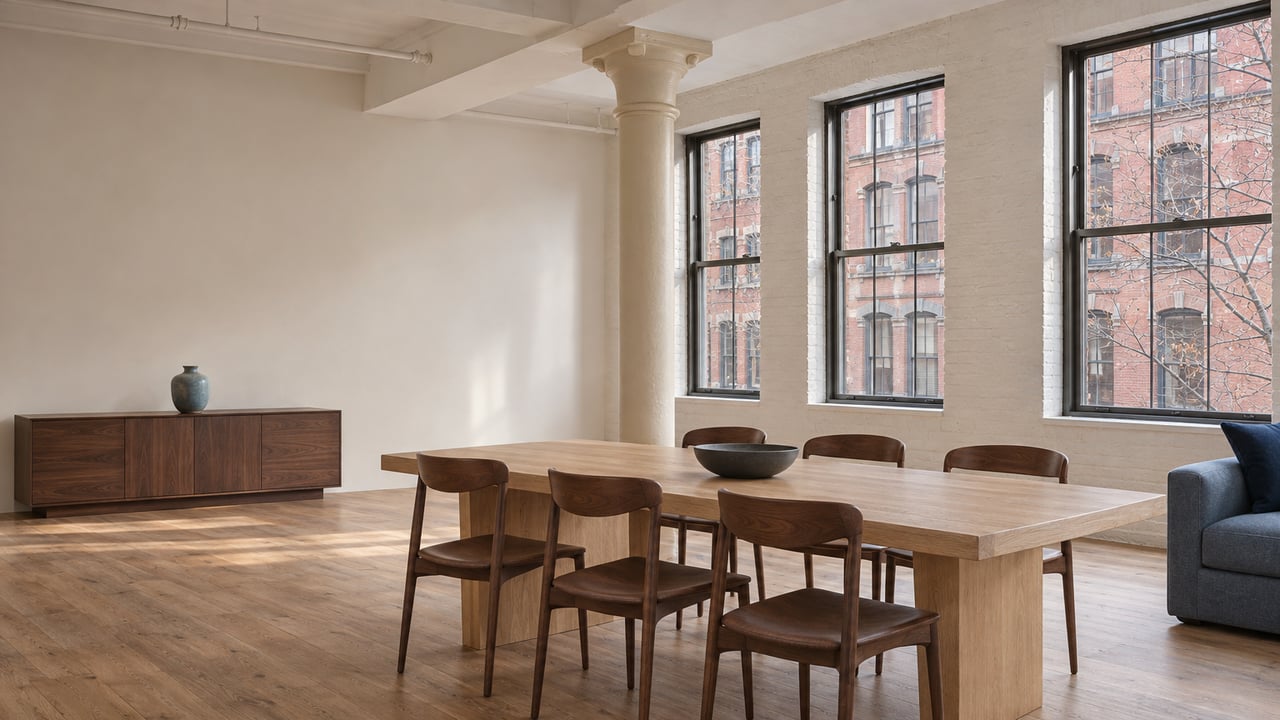
Needs TLC / bring your architect / bring your contractor. A renovation is required. "Bring your architect" also hints that the layout could be reconfigured or that an adjacent unit might be combinable. Factor the cost and the board's alteration policy (and timeline) into your offer.
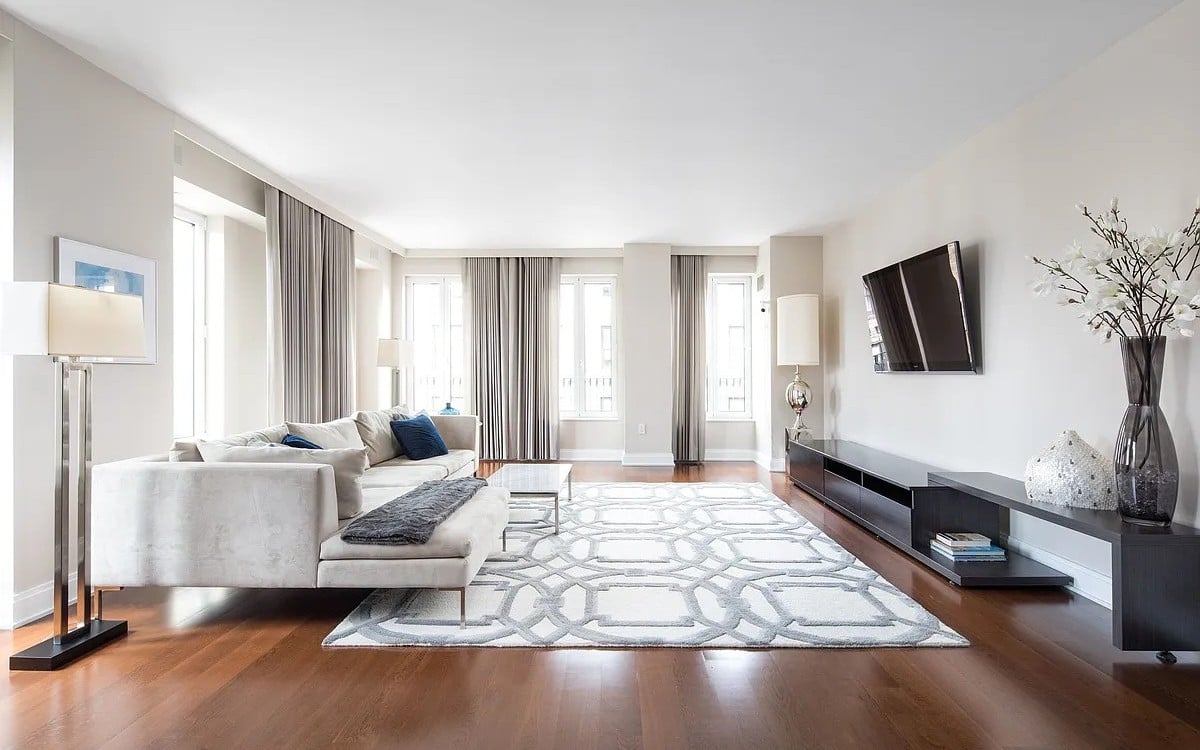
Mint / triple mint / turnkey. Recently renovated, nothing to do. You pay for the finishes; make sure they are ones you would have chosen.
Prewar. Built before World War II, generally before 1940. Higher ceilings, thicker walls, plaster details, formal layouts with separate dining rooms. Most prewar buildings are co-ops. The Upper West Side's Central Park West and West End Avenue corridors are largely prewar.
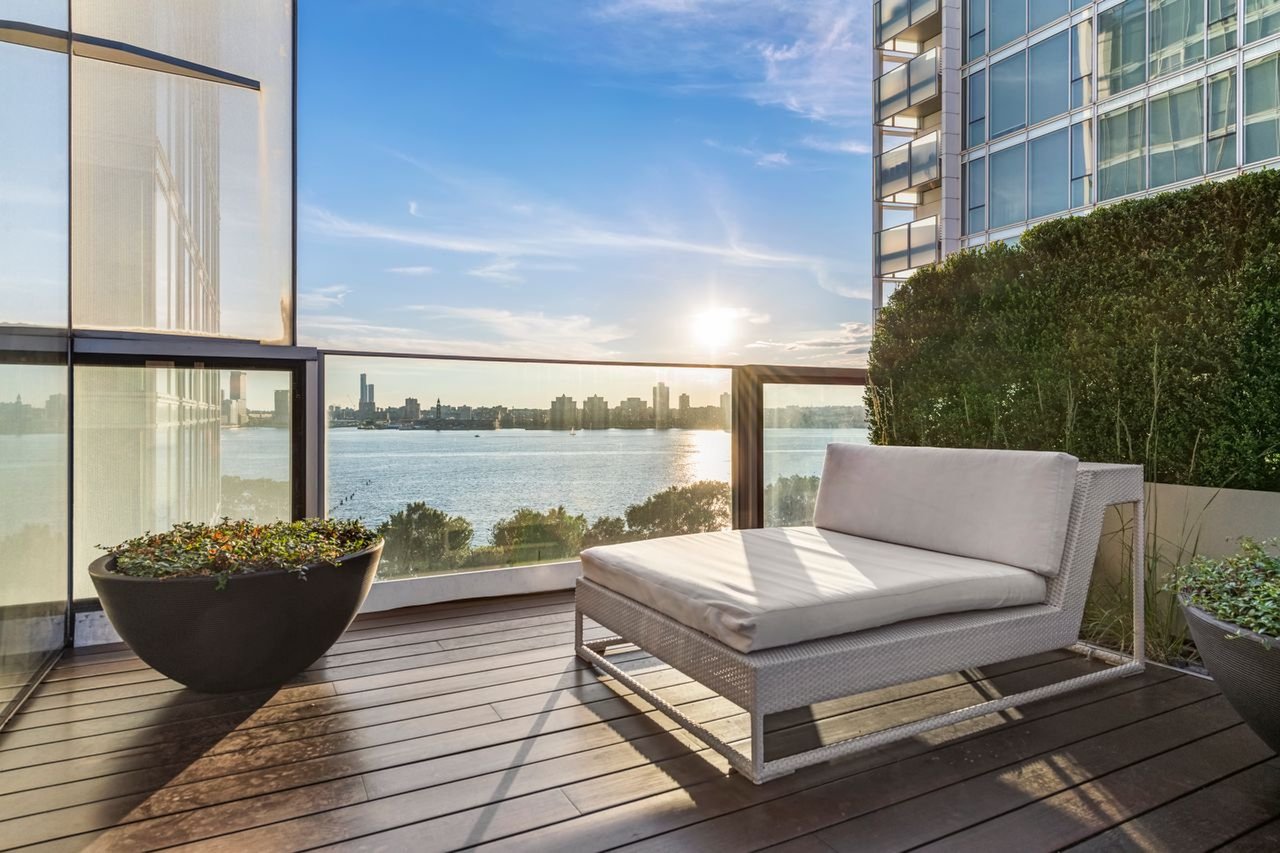
Postwar. Built after 1945. More efficient layouts, larger windows, often balconies and better building systems; less ornament. Lincoln Plaza Towers at 44 West 62nd Street, where we have sold 36 apartments, is a classic 1970s postwar co-op with rounded balconies and a circular driveway.
Layout
Classic six. A prewar layout of living room, formal dining room, kitchen, two bedrooms and a small maid's room off the kitchen (six rooms, usually two full baths). A classic seven adds a third bedroom; a classic eight adds a fourth.
Junior four. A one-bedroom with a separate dining alcove or small room that can serve as an office or nursery; four rooms total. Often the most efficient entry point into a doorman building.
Convertible two / convertible three (conv 2, conv 3). The apartment has one fewer legal bedroom than the number suggests, and a dining area or alcove could be walled off to create another. The conversion needs board or condo approval and must meet light-and-air requirements. Price it as the smaller apartment it is today.
Flex. Same idea as convertible, more common in rental listings and condos.
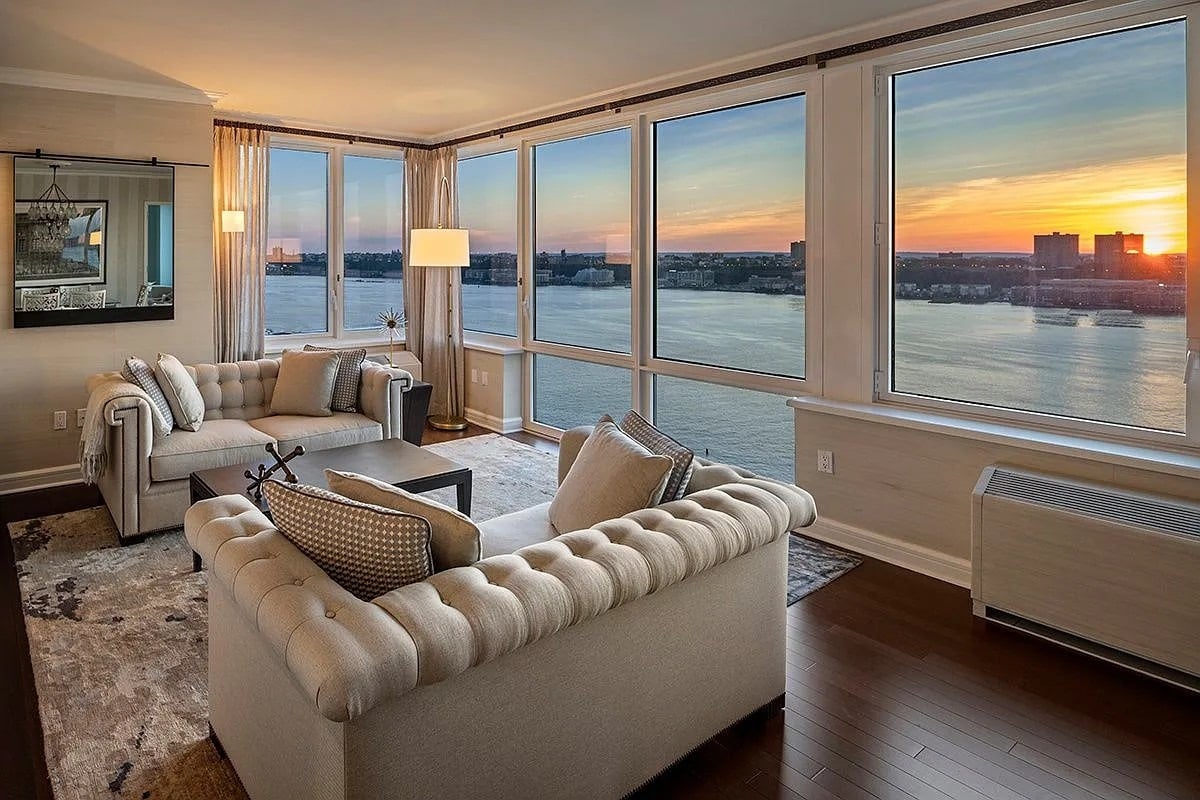
Wall of windows / corner unit / high floor. Descriptors that affect light and view, and therefore price per square foot within a line. In a tower, the same layout can vary by several hundred thousand dollars between the 5th floor and the 25th.
Costs
Maintenance includes… In a co-op, maintenance always includes the building's property taxes and operating costs. When a listing says it also includes gas, electricity, cable or storage, the monthly figure is more valuable than a bare comparison suggests.
Tax abatement / 421-a / J-51 expires 20XX. Property taxes are temporarily reduced under a city program. Ask for the schedule: taxes will rise, sometimes sharply, as the abatement phases out. A low tax figure in a listing can be a snapshot of a number that is about to change.
Assessment in place. The building is collecting an extra monthly charge for a capital project. Ask how much, for how long, and whether the seller will pay it off at closing.
What the words do not tell you
A listing will never say "the board is difficult," "the reserve fund is thin" or "the line above has a leak history." Those facts live in board minutes, financial statements and the questions an experienced broker knows to ask the managing agent. The phrases above get you to the right apartments; due diligence gets you to the right one.
Browsing listings on the Upper West Side or in Lincoln Square and want a translation? Call 646.599.7686 or send us a link. We will tell you what the listing says and what it leaves out.
Frequently asked questions
What does sponsor unit mean in NYC?
The seller is the building's original developer or converter. In a co-op, sponsor sales generally do not require board approval. Sponsor units often need renovation and may carry buyer-paid transfer taxes.
What does estate condition mean?
The apartment is sold by a deceased owner's estate and has usually not been renovated in many years. It typically needs a full renovation and is priced accordingly.
What is a classic six apartment?
A prewar layout with a living room, formal dining room, kitchen, two bedrooms and a maid's room, usually with two bathrooms.
What is a junior four?
A one-bedroom with a separate dining alcove or small extra room, counted as four rooms total.
What is a land lease building?
A building that does not own the land beneath it and pays ground rent under a long-term lease. Prices are lower and maintenance higher; the lease terms and expiration date are critical.
What is an HDFC co-op?
An income-restricted cooperative created under New York's Private Housing Finance Law. Buyers must meet the building's income limits, which cannot exceed 165 percent of area median income, and most HDFCs restrict subletting and charge a flip tax.
Related guides
- Co-op vs condo: the real cost comparison
- NYC flip tax explained
- NYC pied-à-terre tax explained
- Upper West Side neighborhood guide
- Search Manhattan homes for sale
Sources
- NYC Department of Housing Preservation and Development, HDFC cooperatives: https://www.nyc.gov/site/hpd/services-and-information/hdfc.page
- NYC Department of Finance, Non-Primary Residence Surcharge: https://home4.nyc.gov/site/finance/property/non-primary-residence-surcharge.page
- StreetEasy, 44 West 62nd Street building page: https://streeteasy.com/building/44-west-62-street-new_york
- The Roya Cohen Team transaction experience, 2004–2026